T
here's a point where an outfit stops feeling right, and it's rarely obvious while you're still getting dressed. Walk into enough brunches and small dinners and the pattern repeats: within minutes, someone looks slightly out of place. Not underdressed. Overdone. Too much structure, too much detail, too much effort on display.
That discomfort shows before any styling detail does.
Why Overdressing Happens More Than You'd Think
It comes from pressure, mostly. Social settings that stay vague ("dress nice," "keep it casual," "something in between") push people to overcompensate rather than risk being wrong.
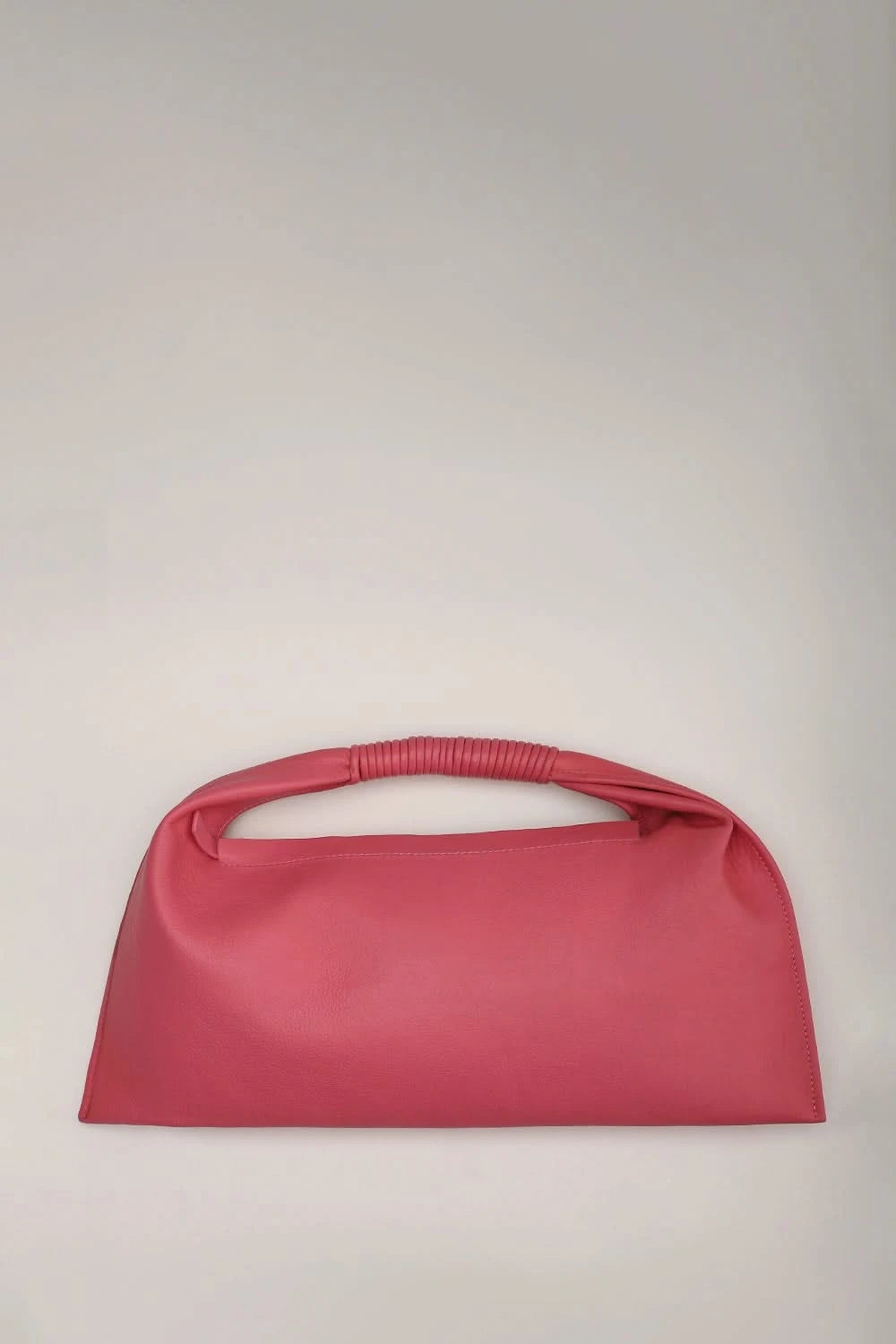
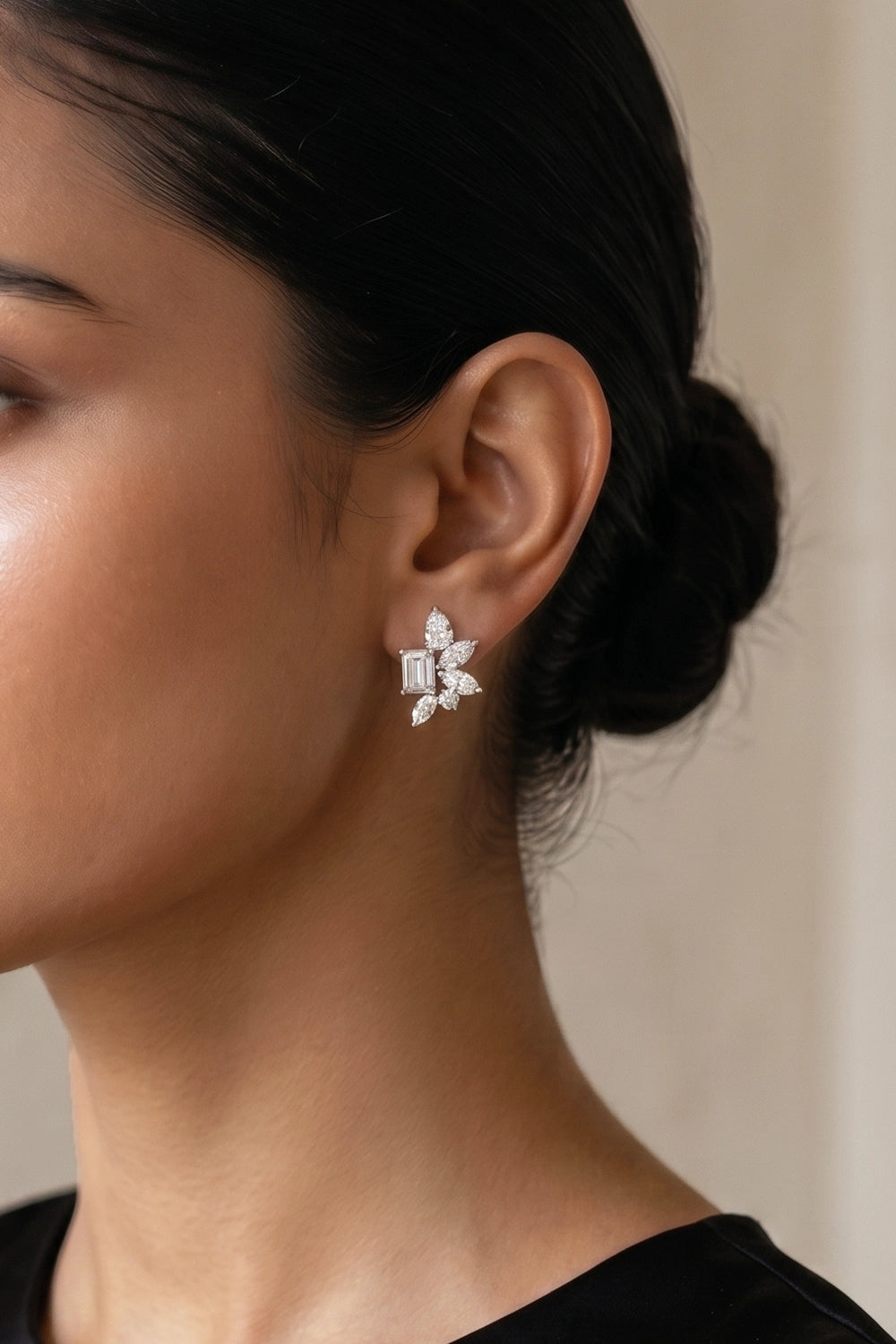
The instinct is to build an outfit for something bigger than the occasion actually is: heavier fabrics, sharper silhouettes, accessories for women stacked on past the point of use. By the time you're in the room, it's clear no one else went that far — and that's exactly when the outfit stops working. It doesn't settle after that. It just sits there, slightly too loud for the room.
What "Effortless Style" Actually Means
Effortless doesn't mean underdressed. It means nothing about the outfit feels forced.
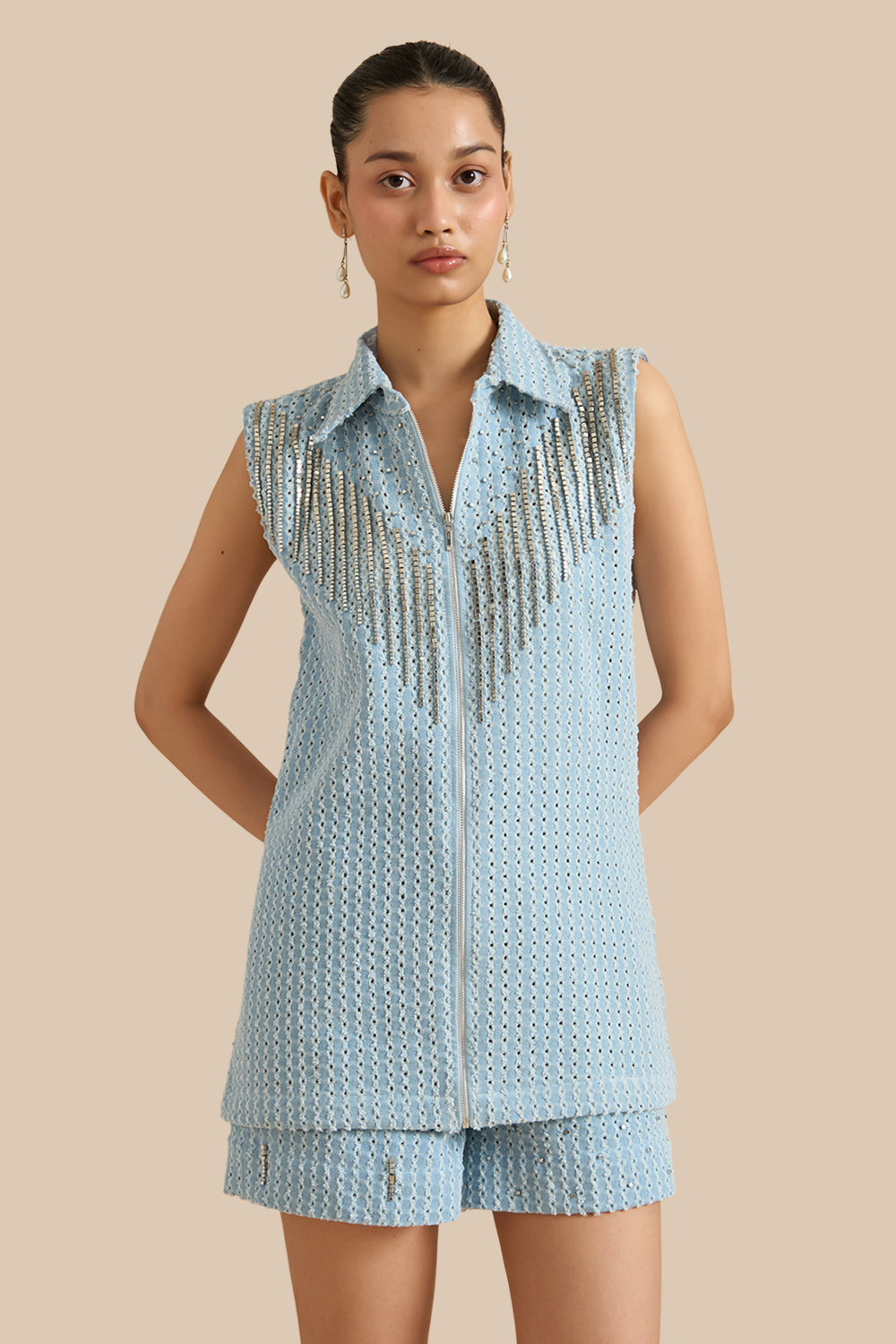
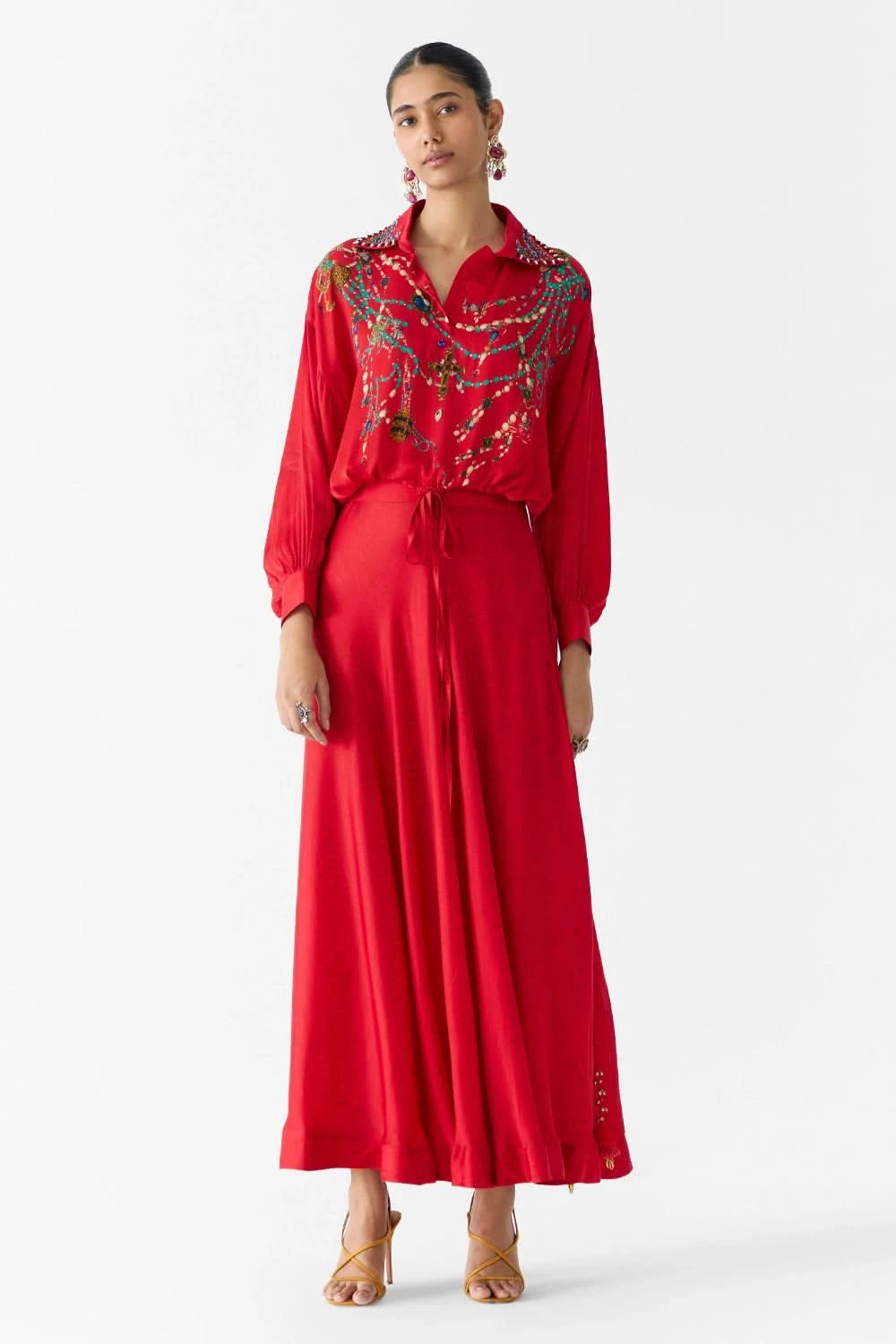
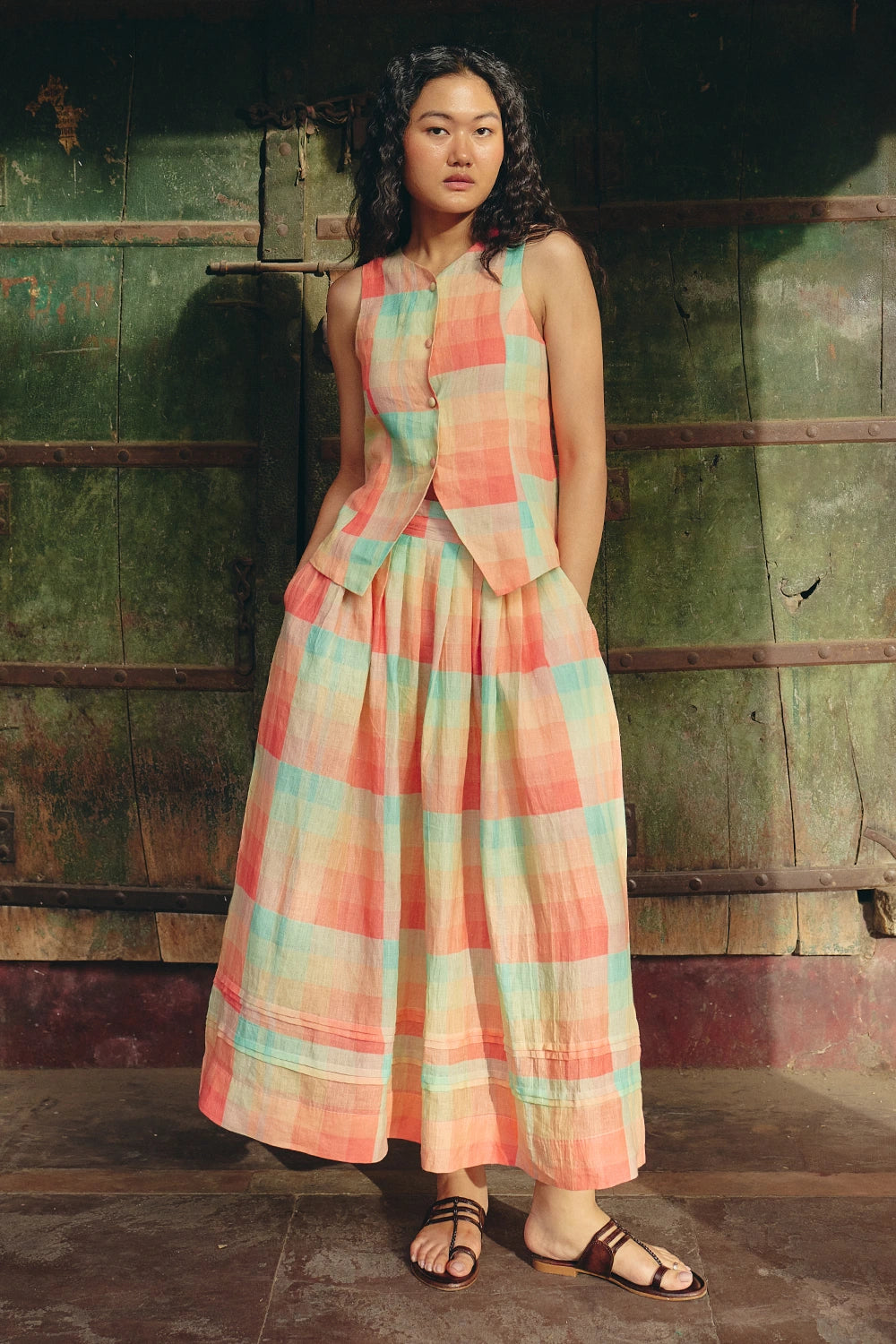
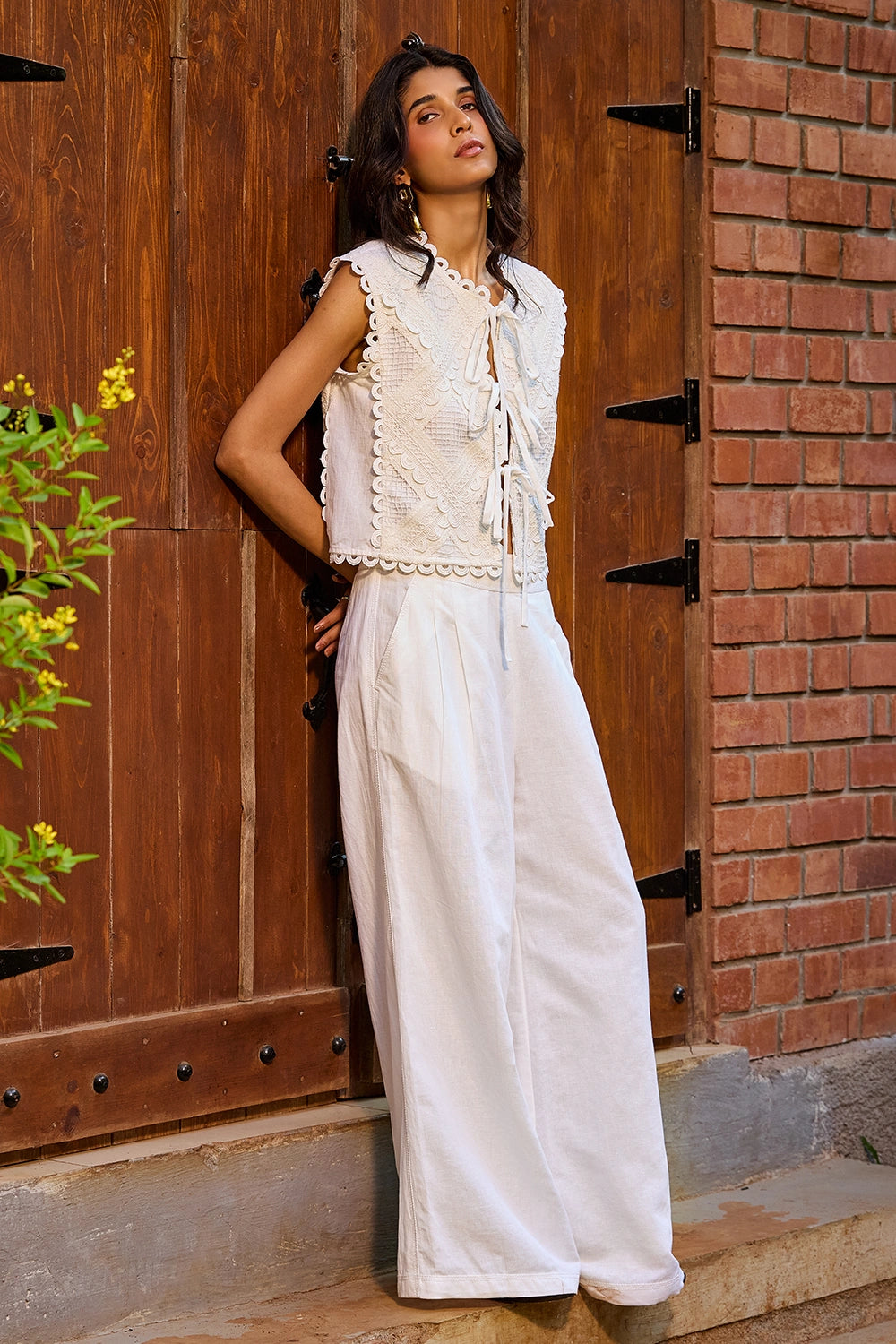
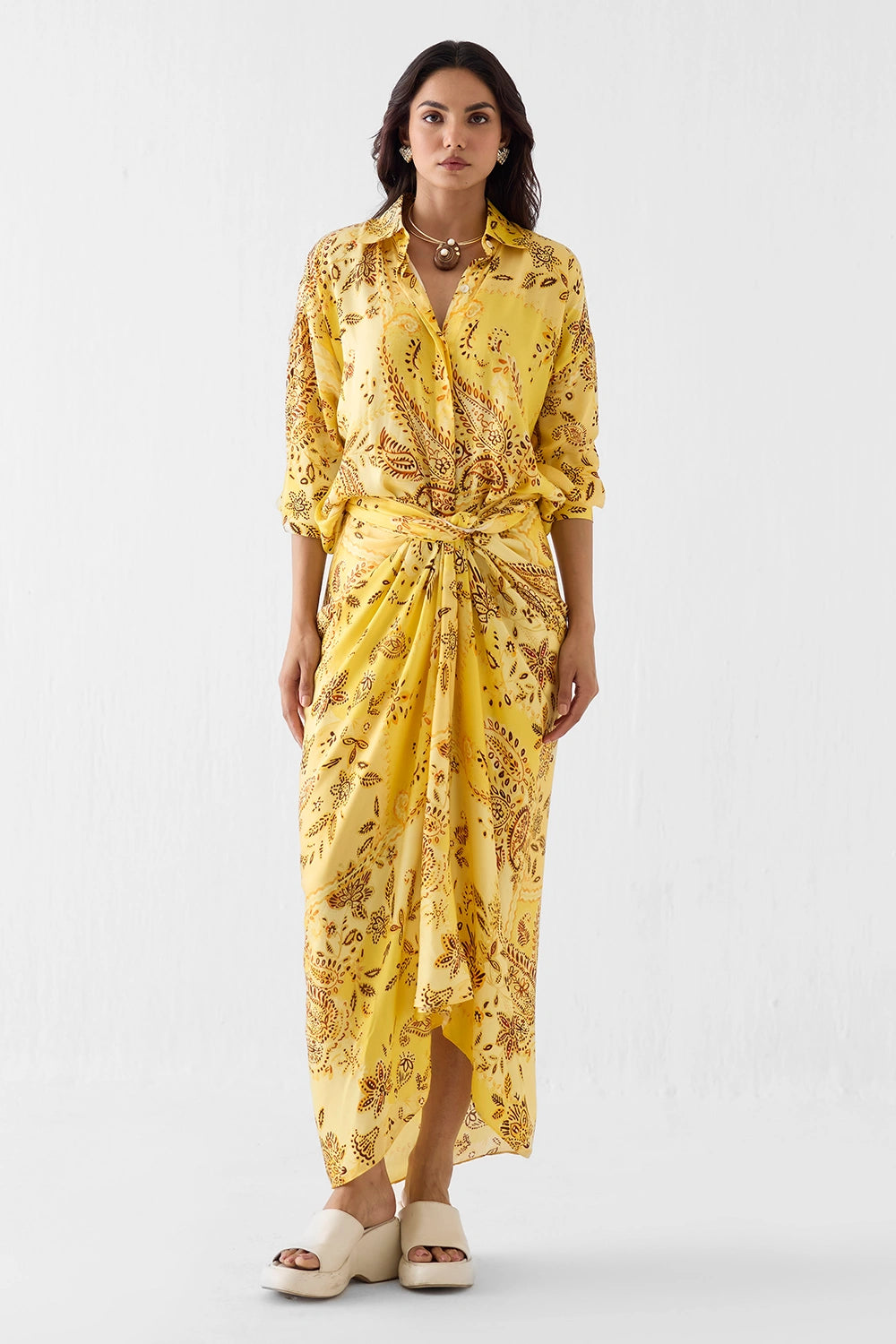
A well-balanced co-ord set for women does this correctly — clean lines, breathable fabric, nothing pulling focus it hasn't earned. It's the kind of piece you can wear to a casual dinner or a day event and stop thinking about the moment you sit down.
That's the actual marker of effortless: you forget you're wearing it. Most outfits lose that ease somewhere between the mirror and the room.
Silhouettes That Read as Put-Together, Not Try-Hard
Silhouette decides how loud or quiet an outfit feels. Too structured, and it tips formal. Too relaxed without intention, and it reads careless instead of easy.
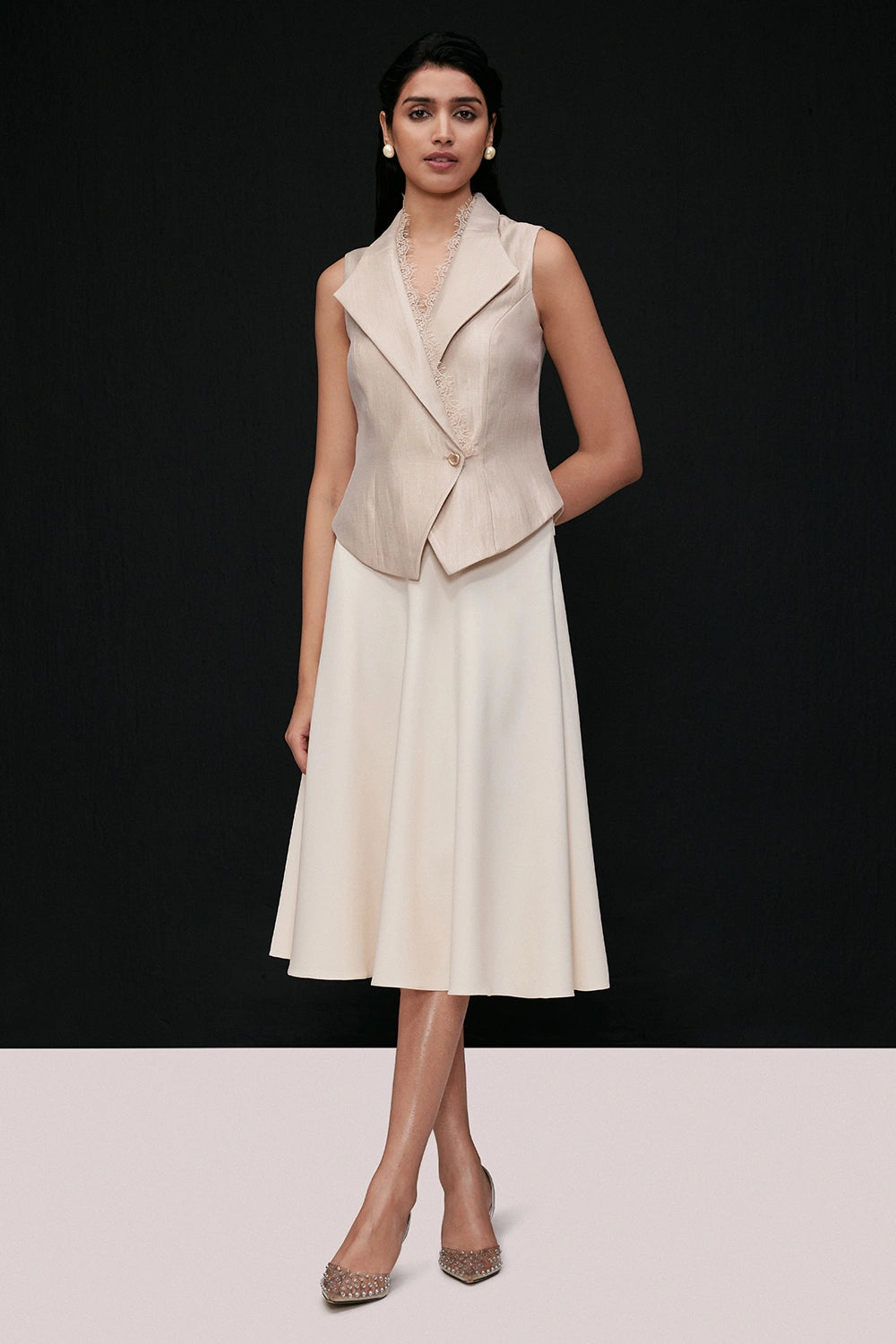
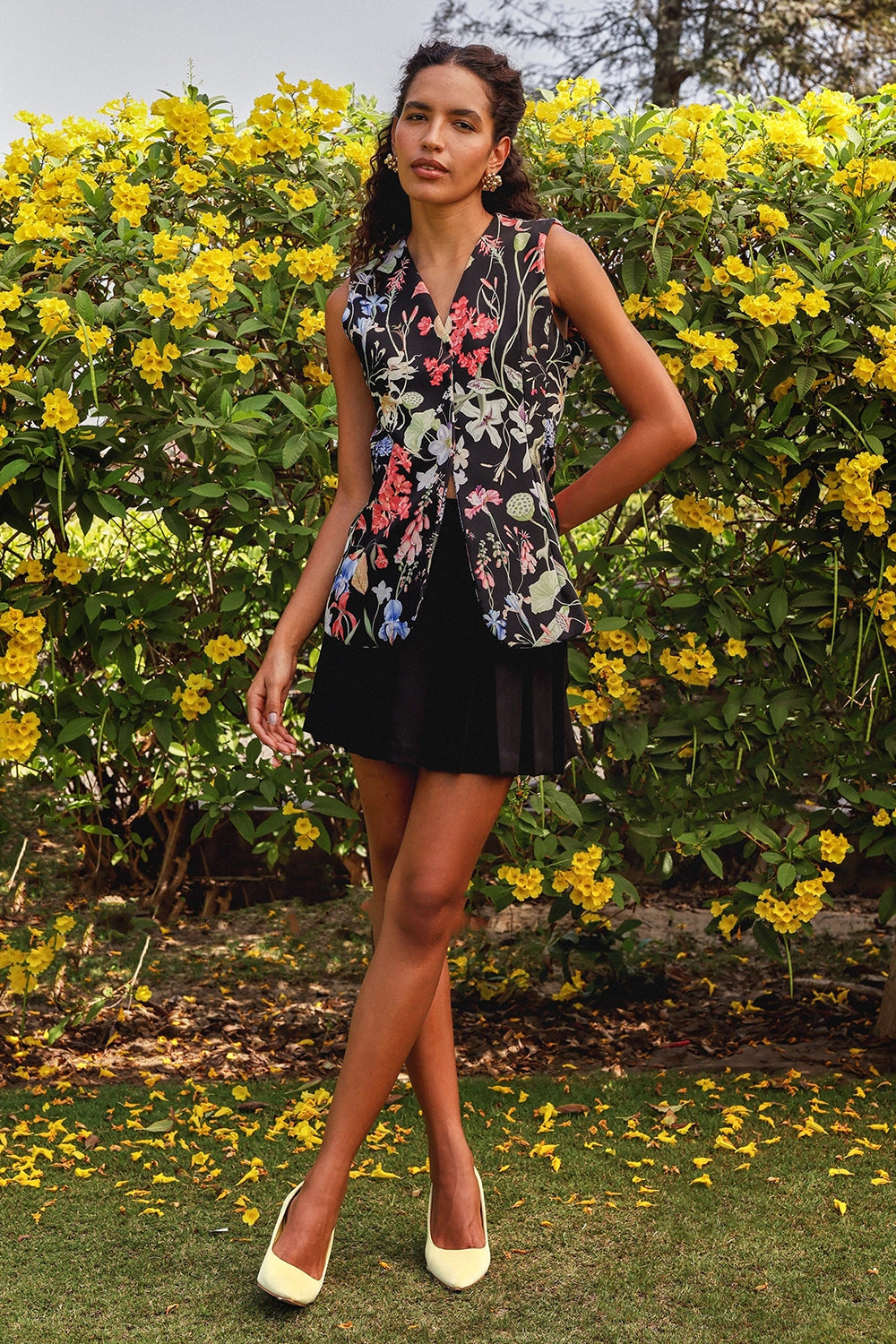
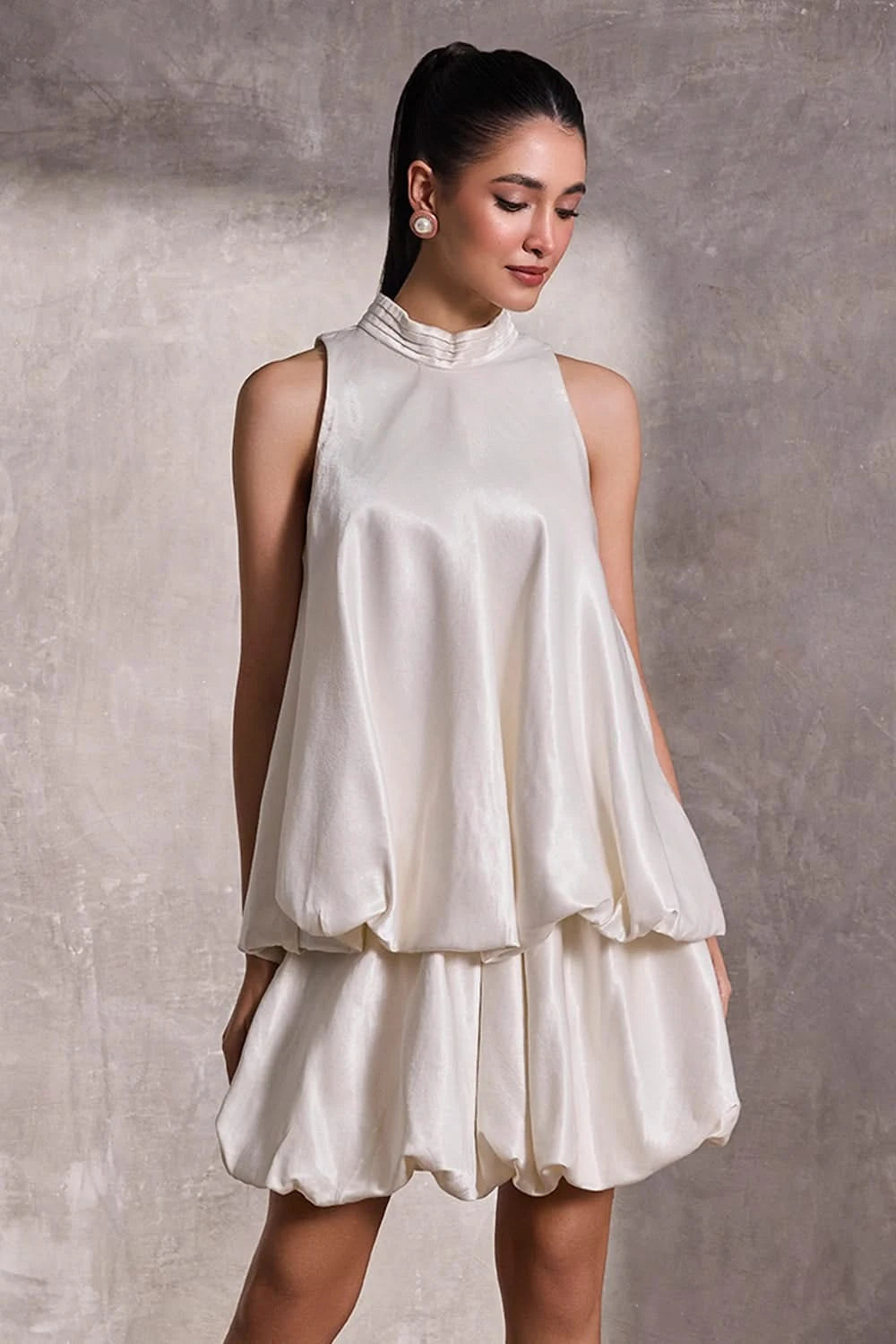
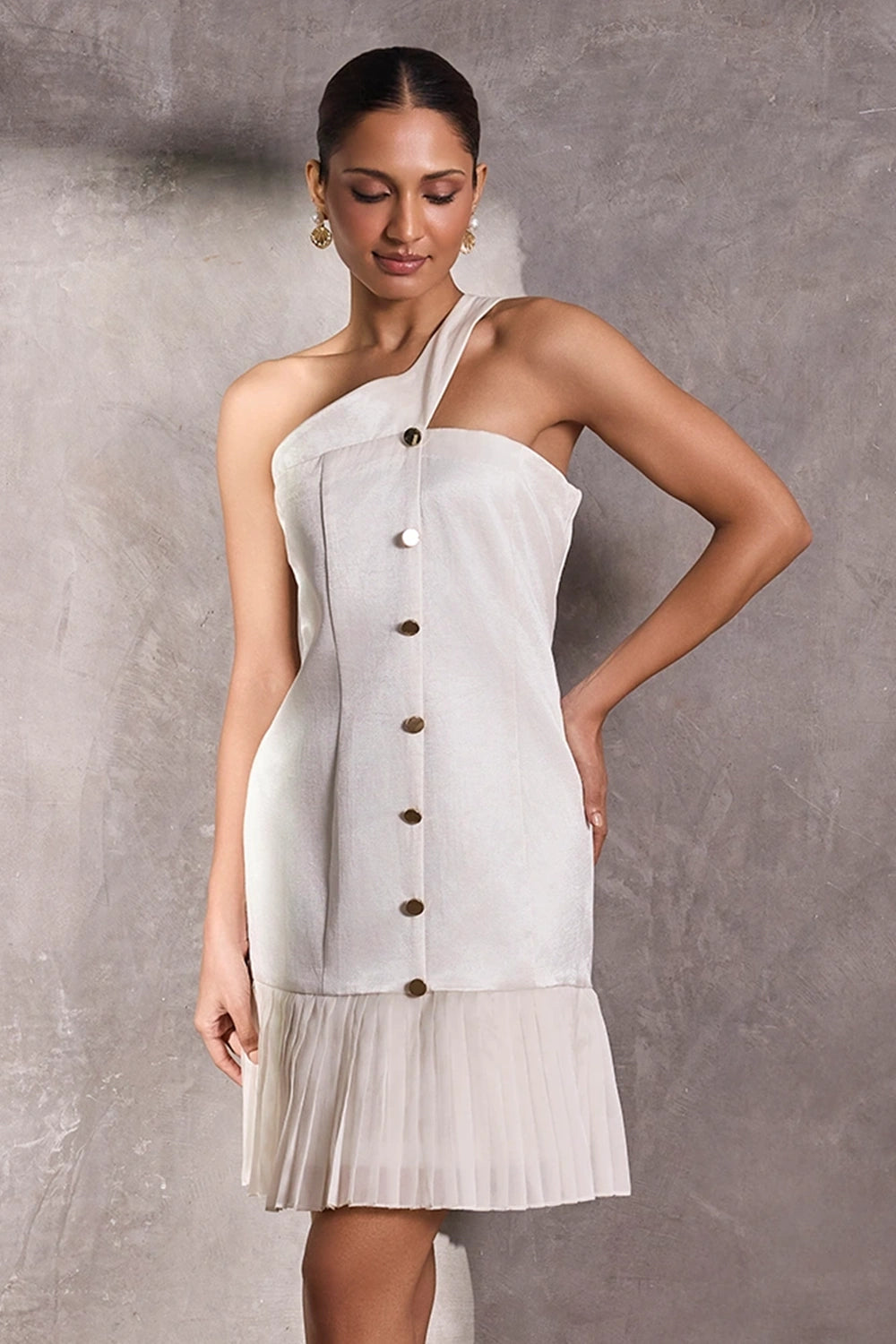
Mini skirts for women work well in the right setting, paired with something that doesn't compete for attention — a soft top, minimal jewellery. Match that same energy with heels, a heavy top, and strong accessories, though, and the whole thing tips fast. Suddenly it's not relaxed anymore; it's trying.

Fabric Choices That Keep an Outfit Balanced
Fabric either softens an outfit or sharpens it, and this is where most miscalculations happen.
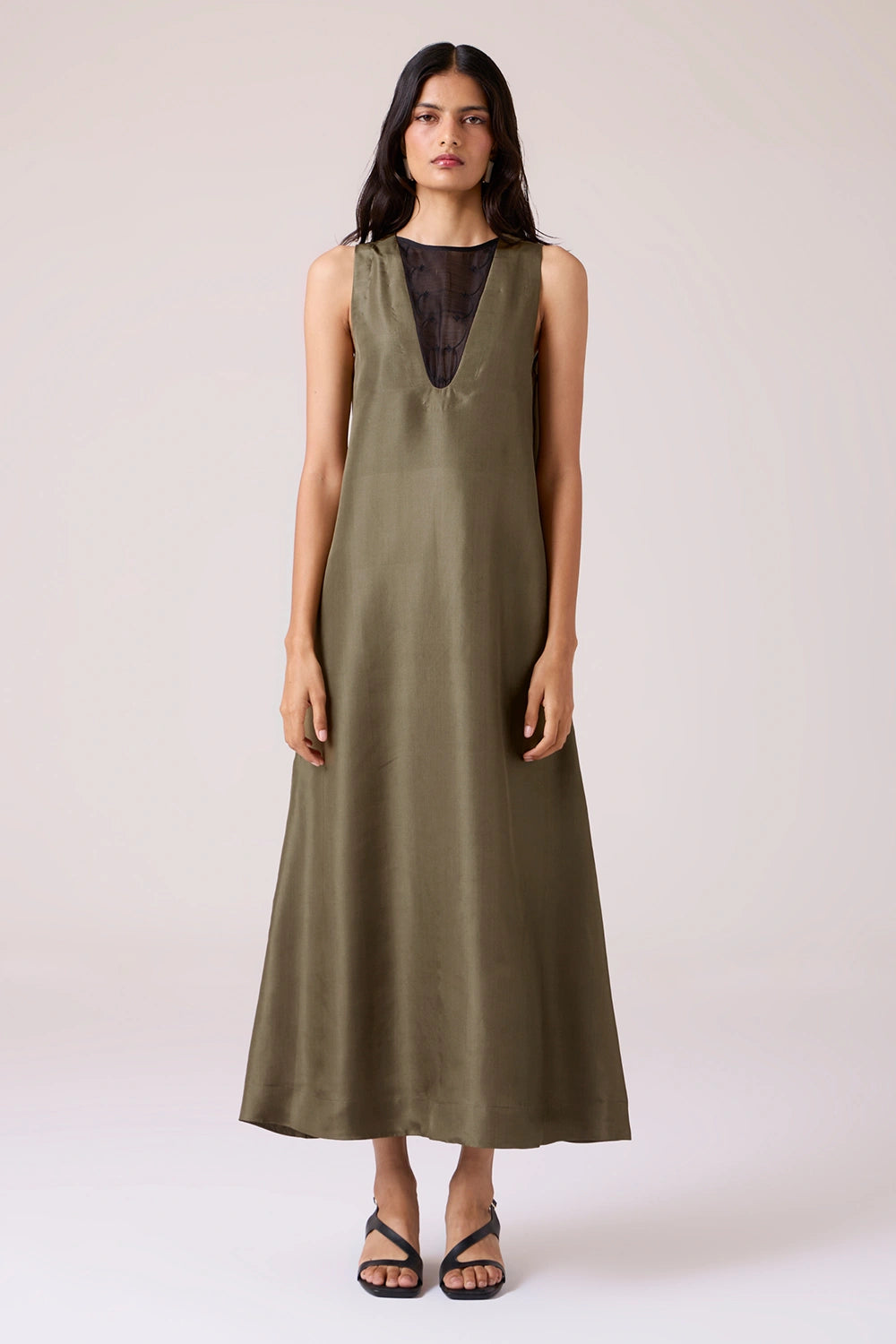
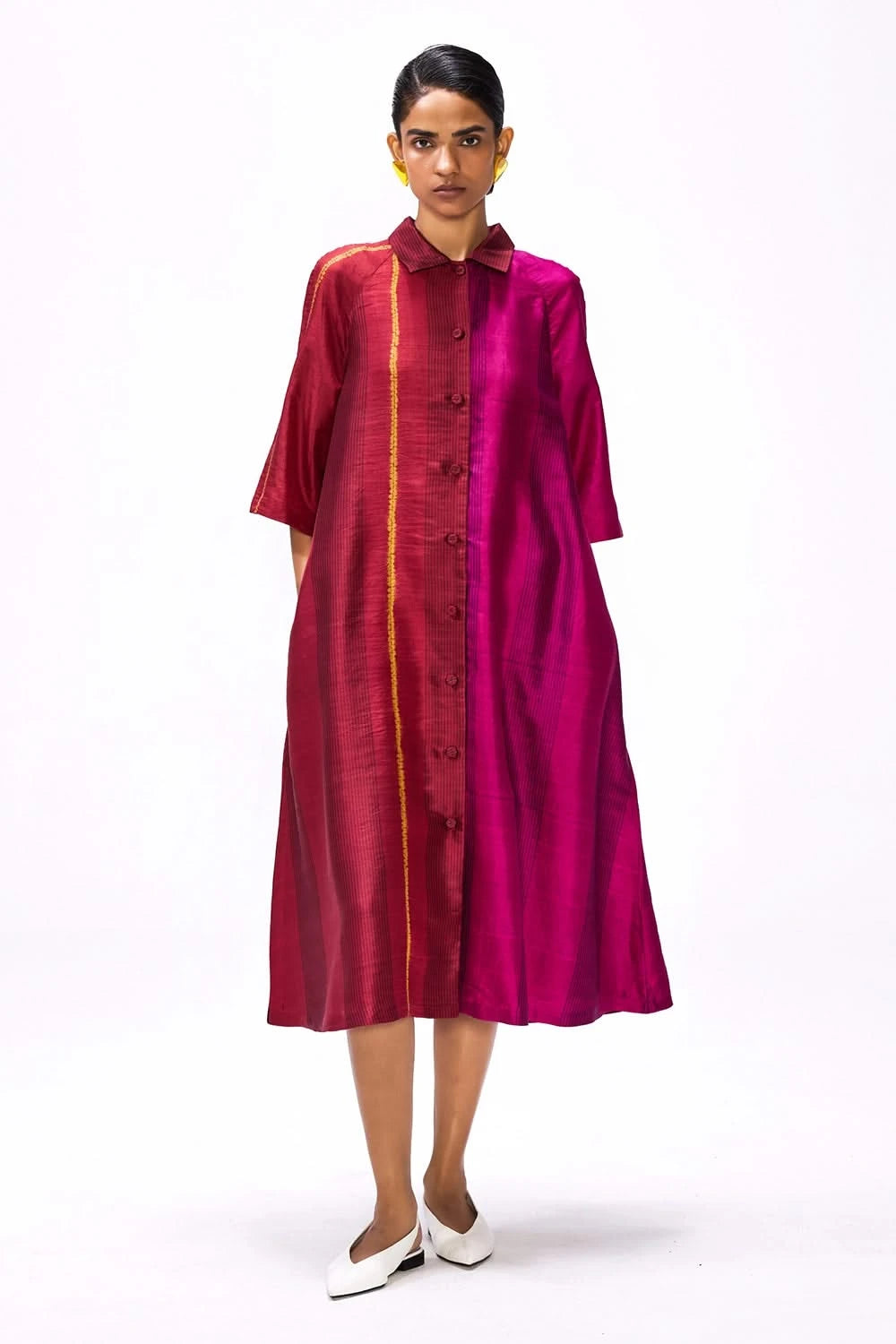
A silk dress carries presence entirely on its own — it doesn't need a jacket, bold jewellery, or extra layering to do its job. Add those anyway, and the outfit starts competing with itself. The fabric was already doing enough. The problem is rarely the piece; it's what gets added around it.
Styling Adjustments That Make or Break the Look
Small adjustments decide the outcome here, not big ones.
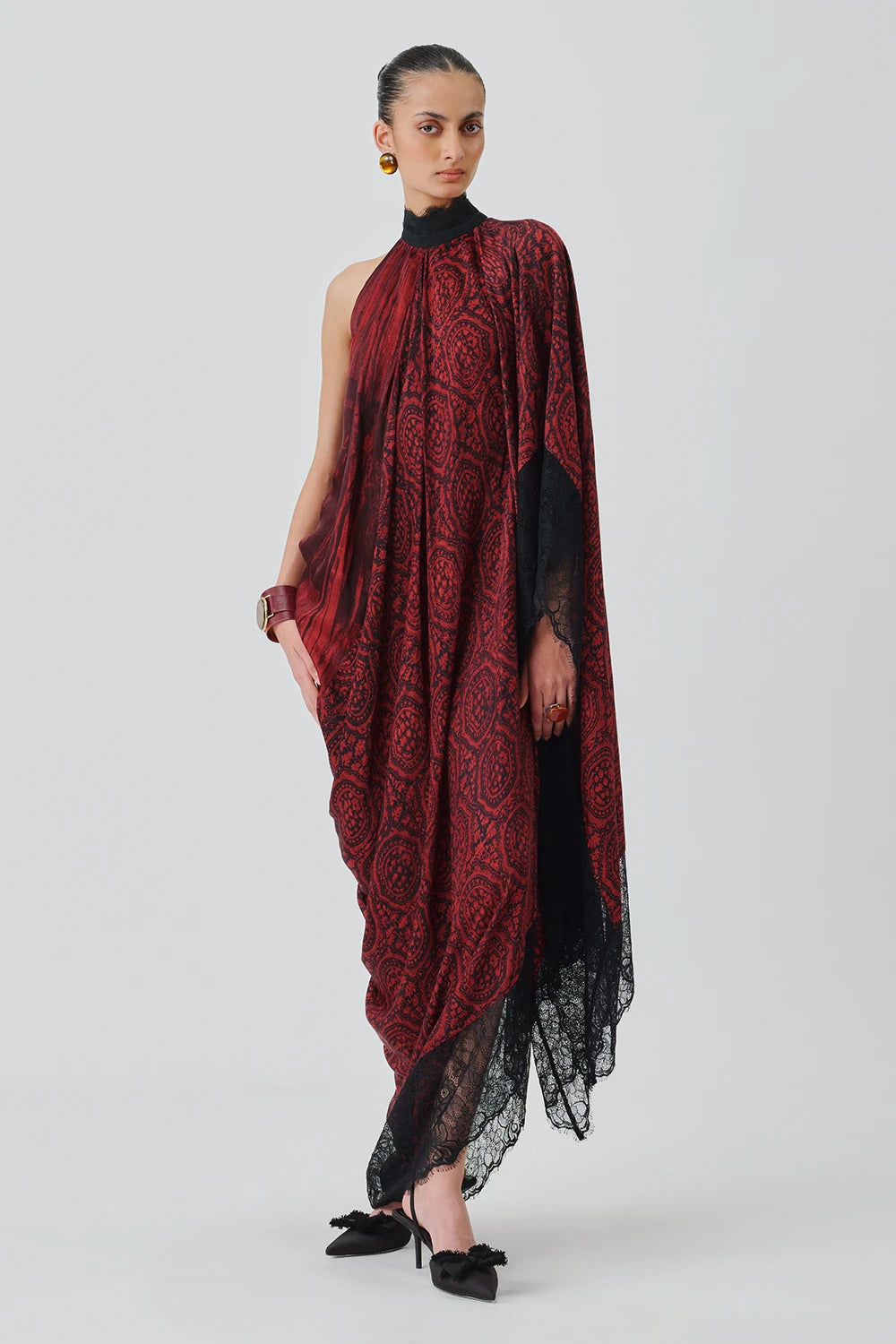
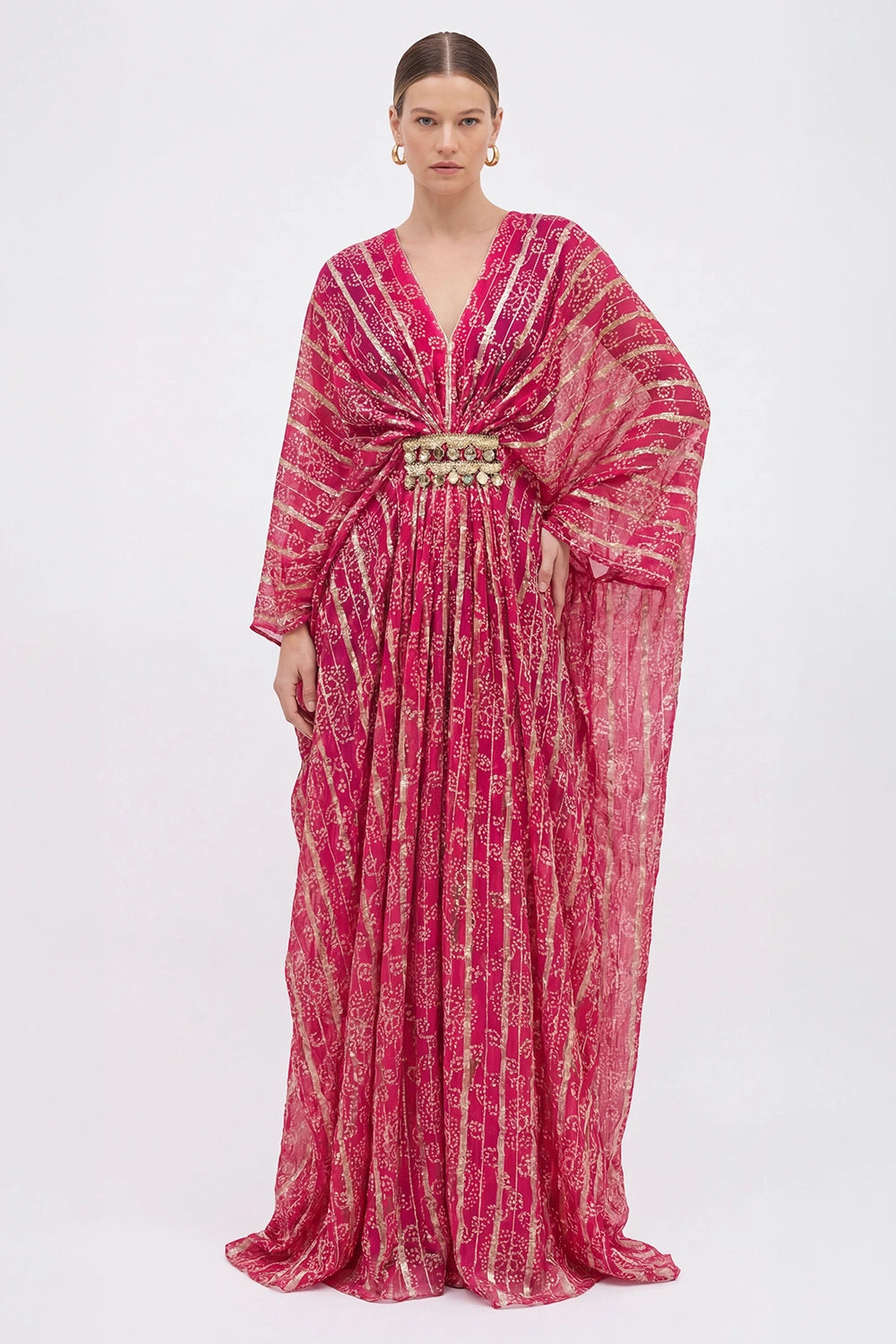
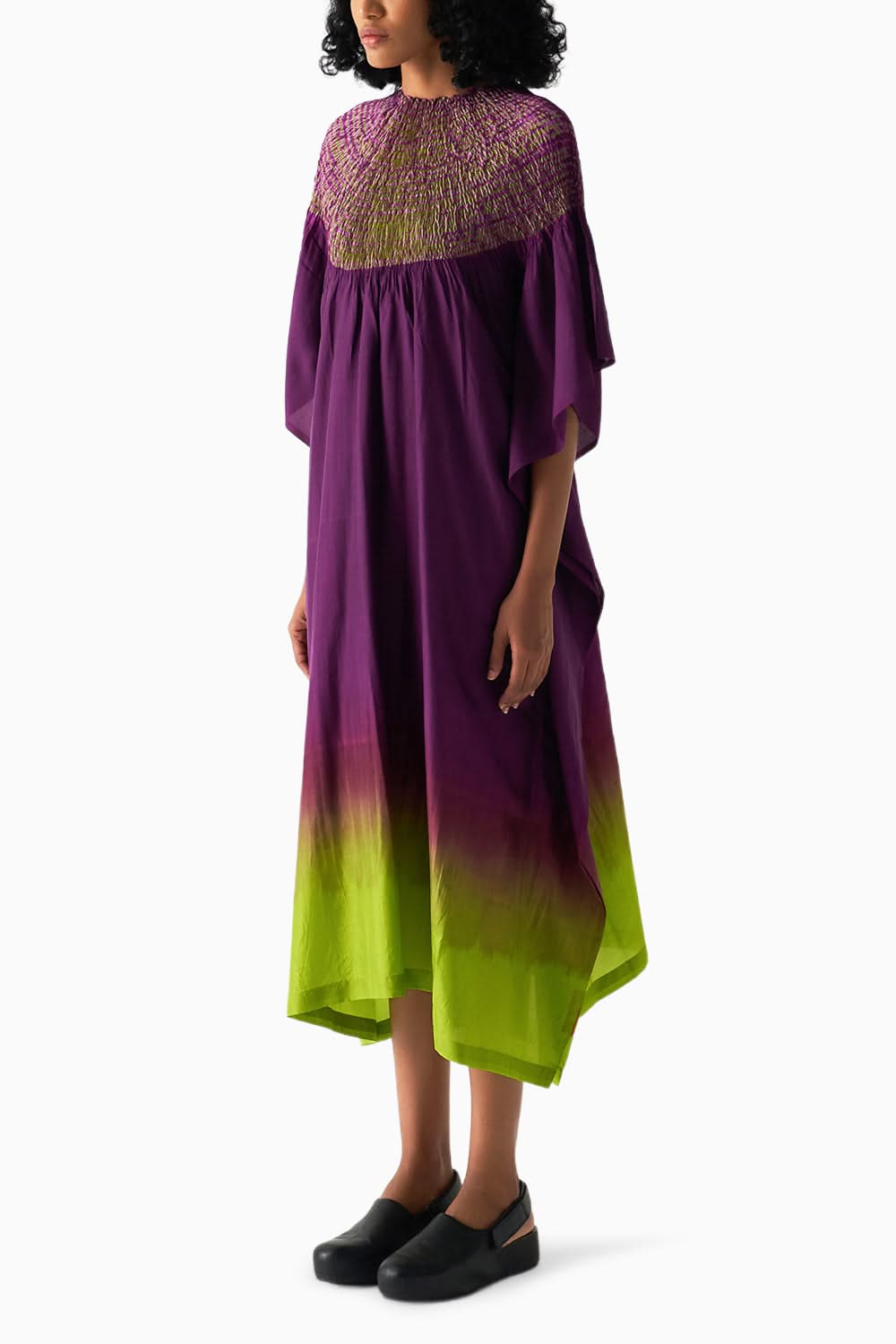
A kaftan for women works because it brings ease without asking for anything in return — it moves well, holds no tension, demands no structure. Worn into a casual gathering where everything else feels slightly overdone, it stands out precisely because it isn't trying to. Most people don't trust simplicity enough to let it do that work.
Where Structure Works, and Where It Doesn't
Structured pieces earn their reputation for feeling "put together" — sometimes rightly so.
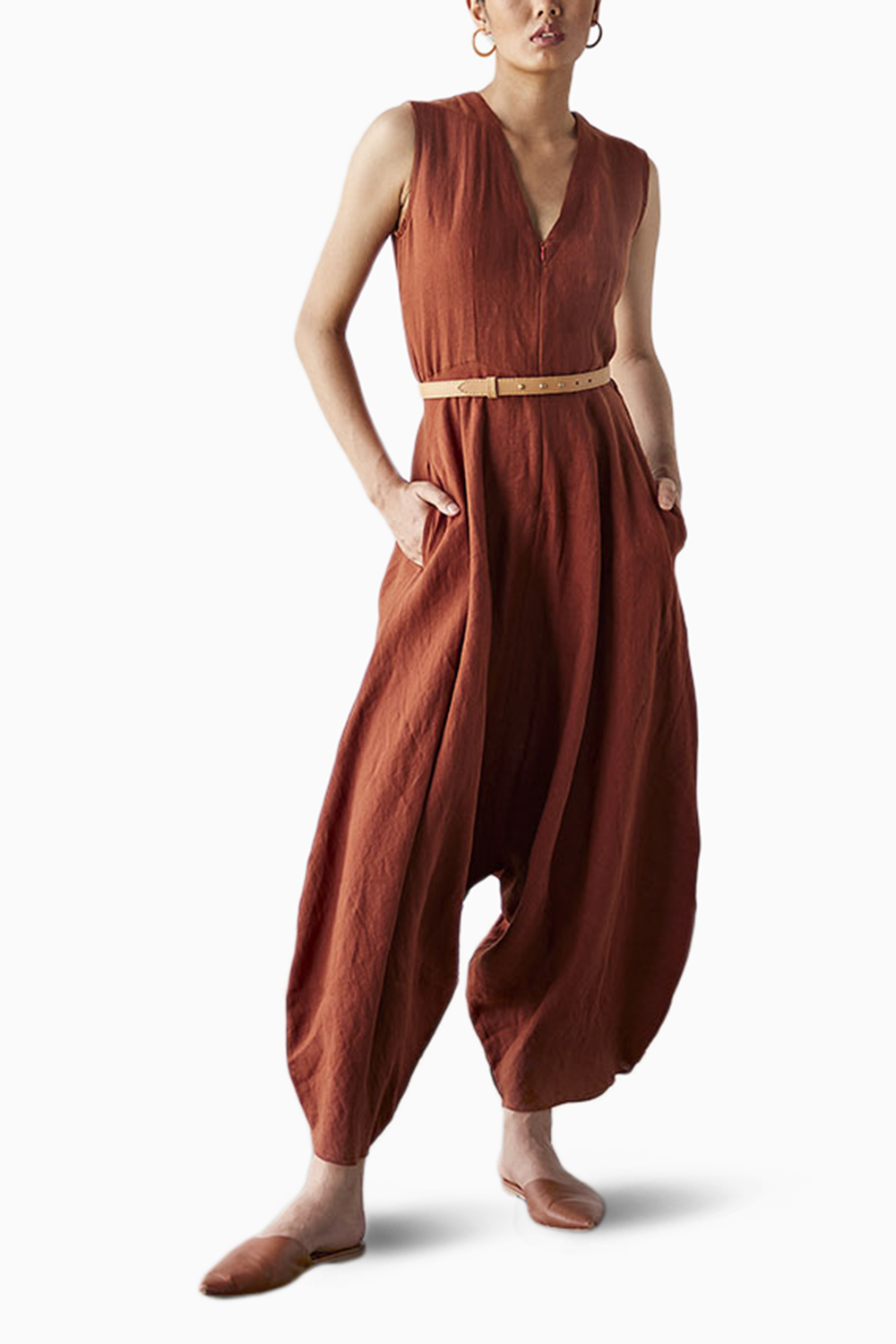
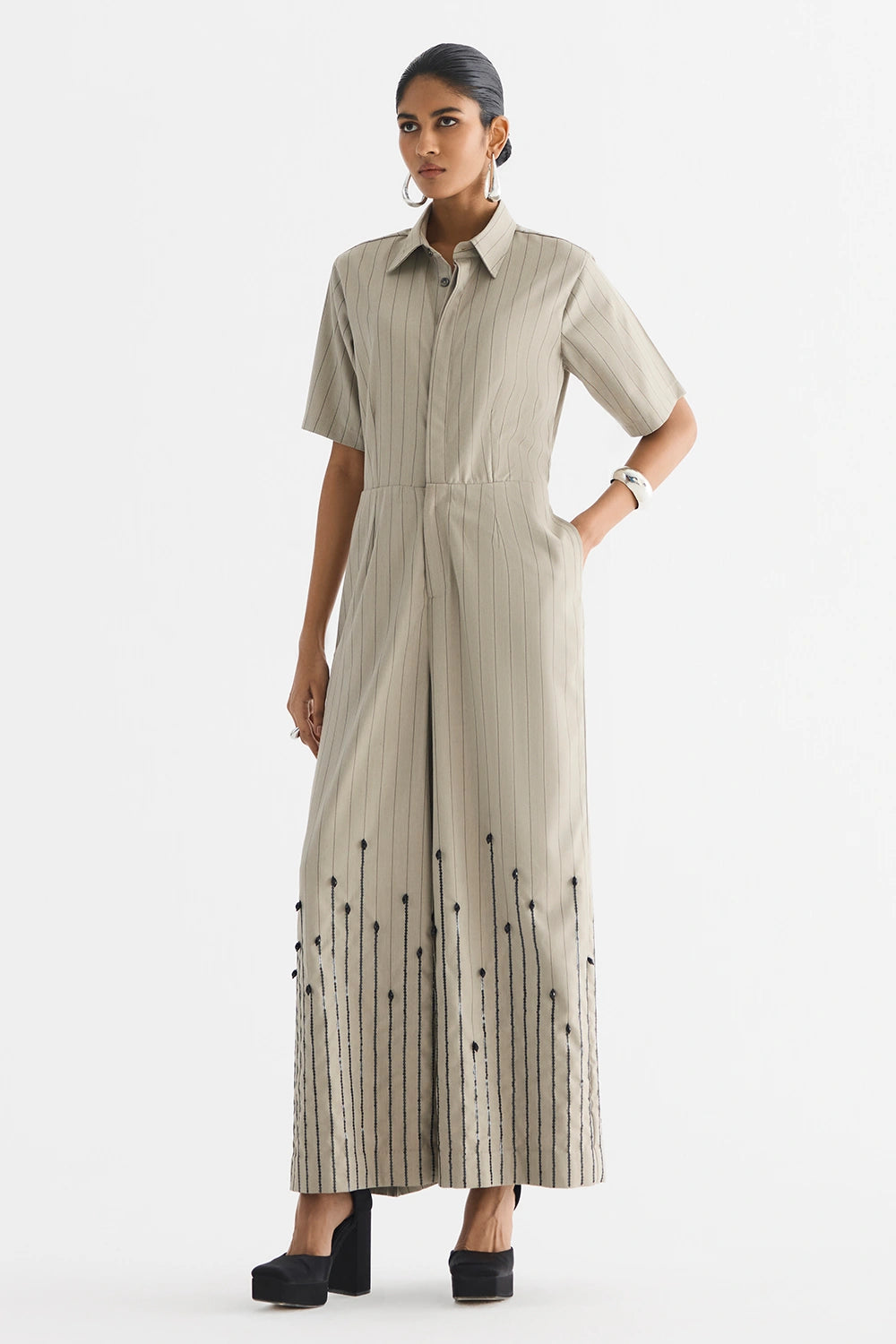
A ladies' jumpsuit can hold shape and presence without much added around it. But a jumpsuit cut too fitted, too sharp for a relaxed setting, turns restrictive the moment you sit or move for any length of time. That's when confidence drops — and confidence is the first thing to go once an outfit starts to feel forced.
Common Mistakes That Push an Outfit Too Far
The biggest mistake is dressing for how an event sounds, not for what it actually turns out to be. You show up in heels, heavy fabric, and too many accessories, and the dinner turns out to be completely relaxed. You notice the second you walk in.
The second mistake is adding things at the last minute. One more accessory, one more layer, "just to finish the look." It doesn't finish anything. It just pushes the outfit past the point where it was working.
There's no fixed rule for where styled ends and overdressed begins. It depends on the room, the hour, how long you're actually in the outfit. But you usually feel it before anyone says anything.
The easiest fix is picking pieces that don't need much added to begin with.