O
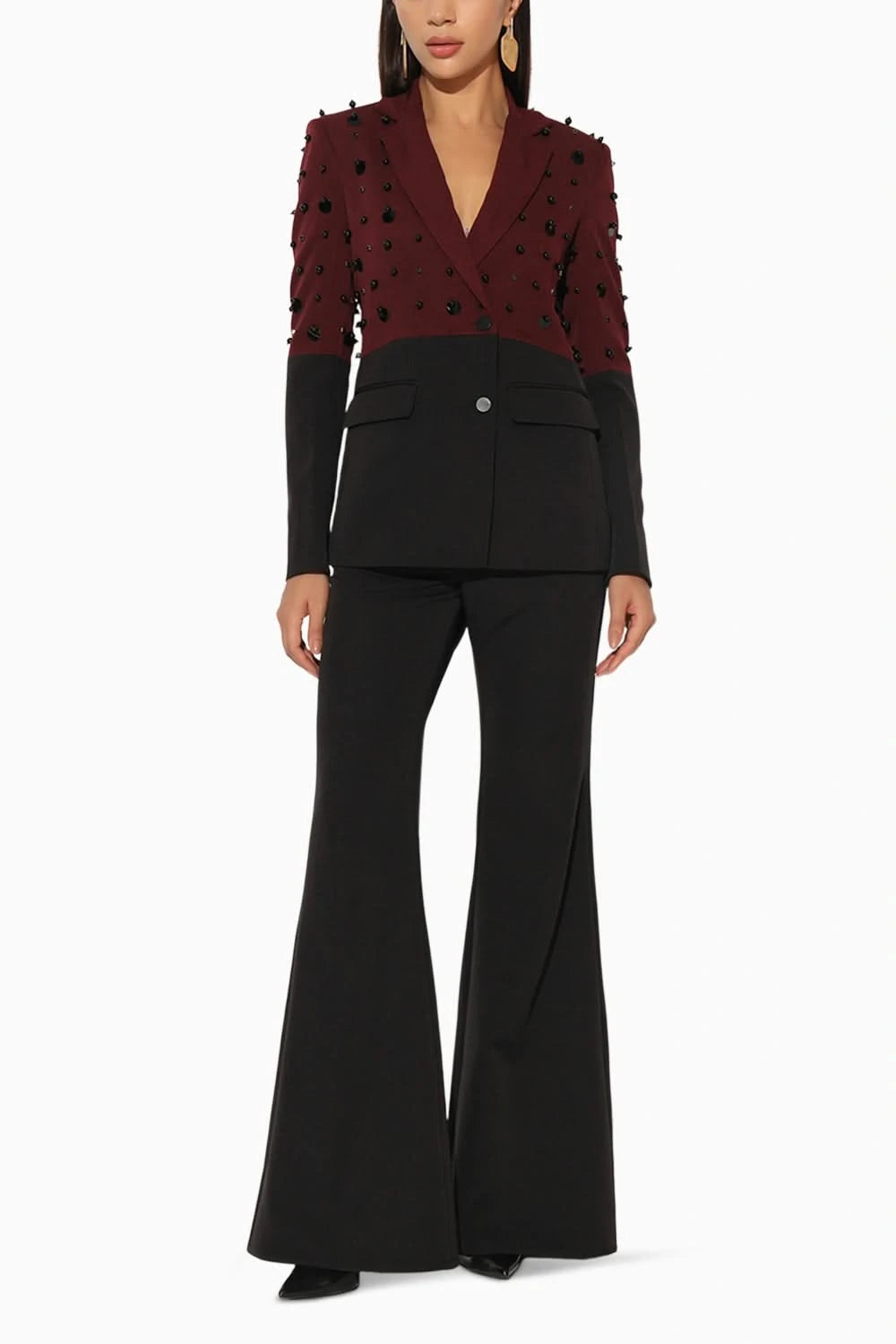
n paper, day dressing looks simple. Step out, keep it light, done. In practice, most women land on one of two wrong notes — overdressed by noon, or underprepared by evening — and either way, the outfit stops feeling like theirs within the hour. The shift from day to night was never about dressing up or down. It's a question of how long a look can hold its shape once it meets the room it's actually in.
The Real Difference Between Day and Night Dressing
It isn't dressing up versus dressing down. It's endurance — how well an outfit survives the environment it's placed in.
Day events ask a look to move: walking, sitting, heat, uneven ground. Night events do the opposite. They hold you still, under controlled light, in rooms built for closer attention. A silhouette that looked flawless in the trial room can start working against you by noon — fabric clings, structure stiffens, ease disappears. And once an outfit starts slipping, you feel every minute of it.
What Works for Day Events
Day dressing has to look effortless without actually being careless. That distinction is the whole job. Breathable fabrics, softer shapes, nothing that demands constant adjustment.
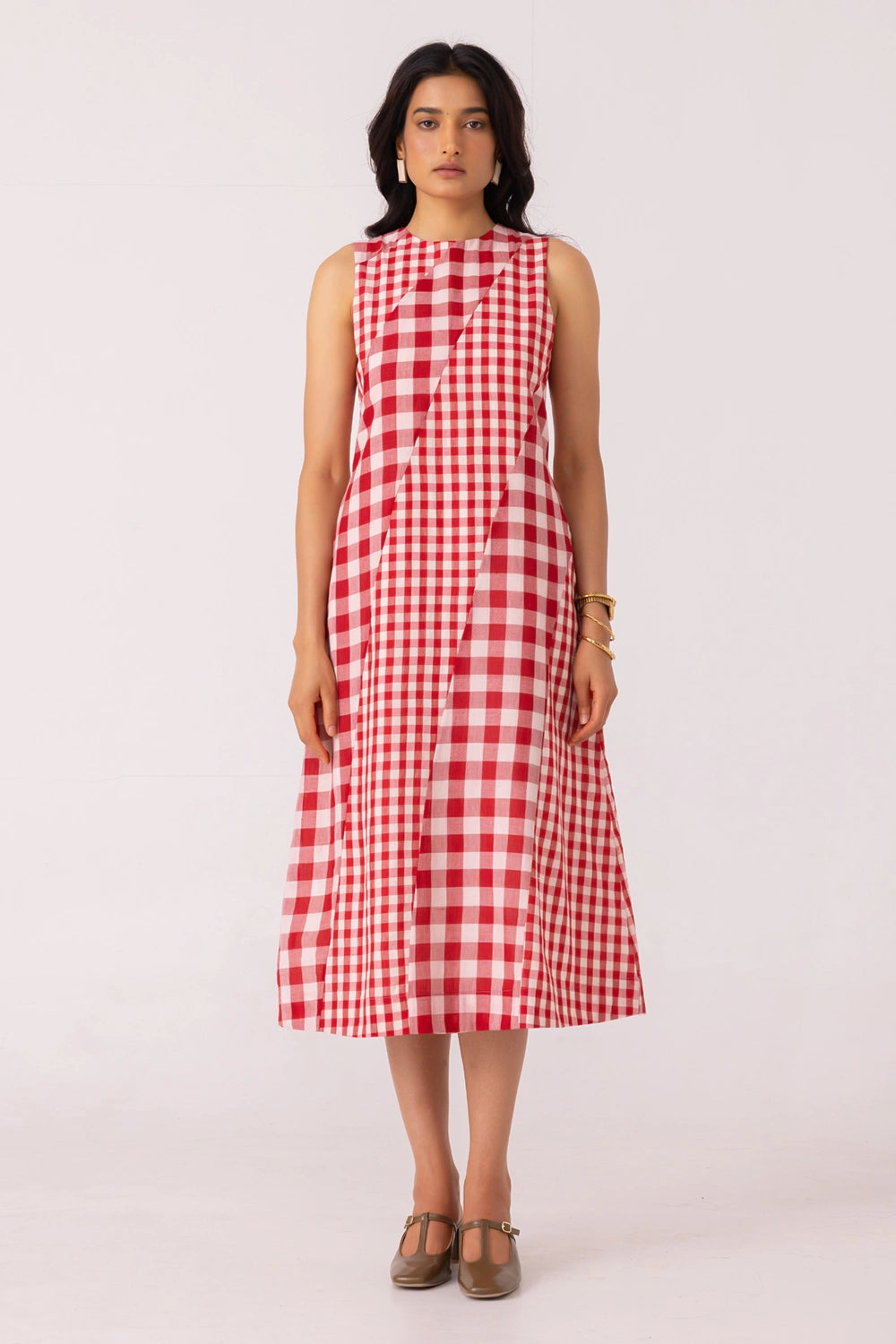
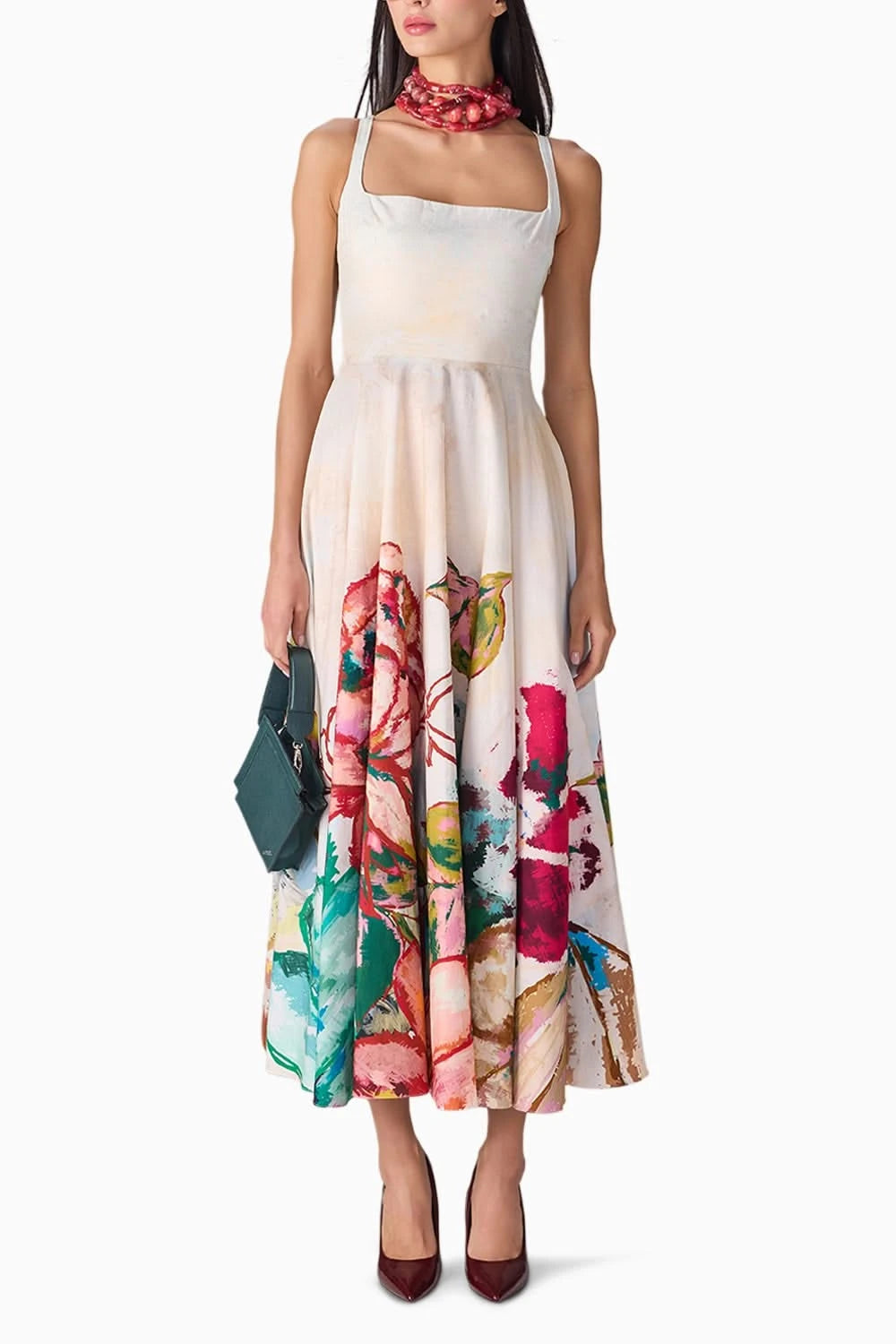
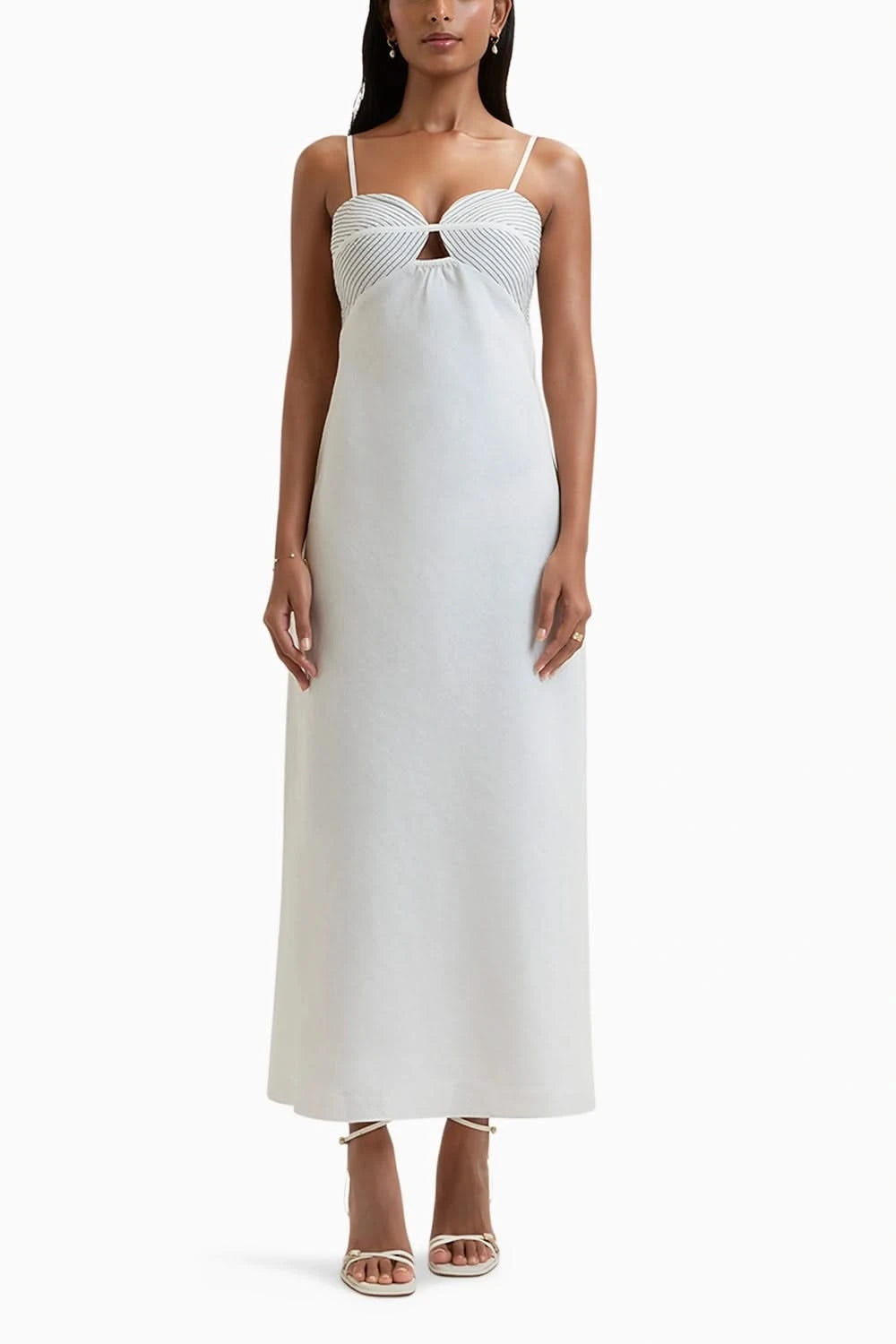
A one-piece dress does this well when it's cut with intention — nothing pulling at the waist, nothing heavy in the drop. It's why the piece keeps reappearing across brunches and daytime gatherings: it doesn't interrupt the day. You sit, you eat, you walk, and it simply holds.
The fabric is what makes or breaks that silhouette, no matter how good the cut is.
Where day dressing actually fails is over-layering. Add too much structure thinking it sharpens the look, and it starts to weigh the whole thing down instead.

Layering That Actually Earns Its Place
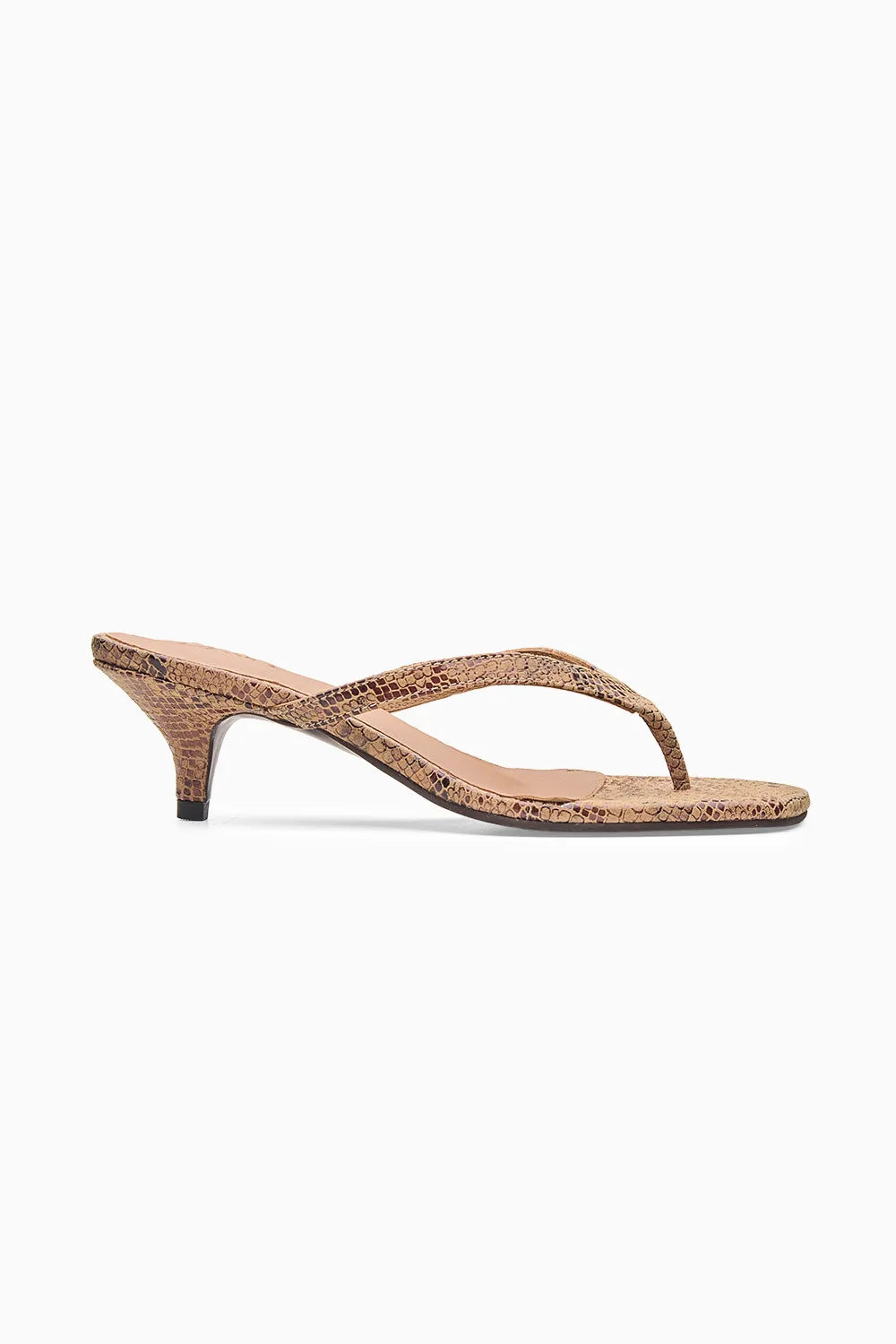
The Cotton jacket is the classic day layer — until midday arrives, and it's either tied around the waist or carried over an arm. Temperature never holds steady through a day event, so a layer that can't adapt becomes dead weight fast.
Light layering earns its keep. Anything beyond that turns into something you're managing instead of wearing.


What Changes at Night: Fabric, Fit, Presence
Night dressing isn't a full rebuild — it's a recalibration. Fabric starts to outrank silhouette. Texture, fall, the way light catches a surface: this is where presence is actually built.
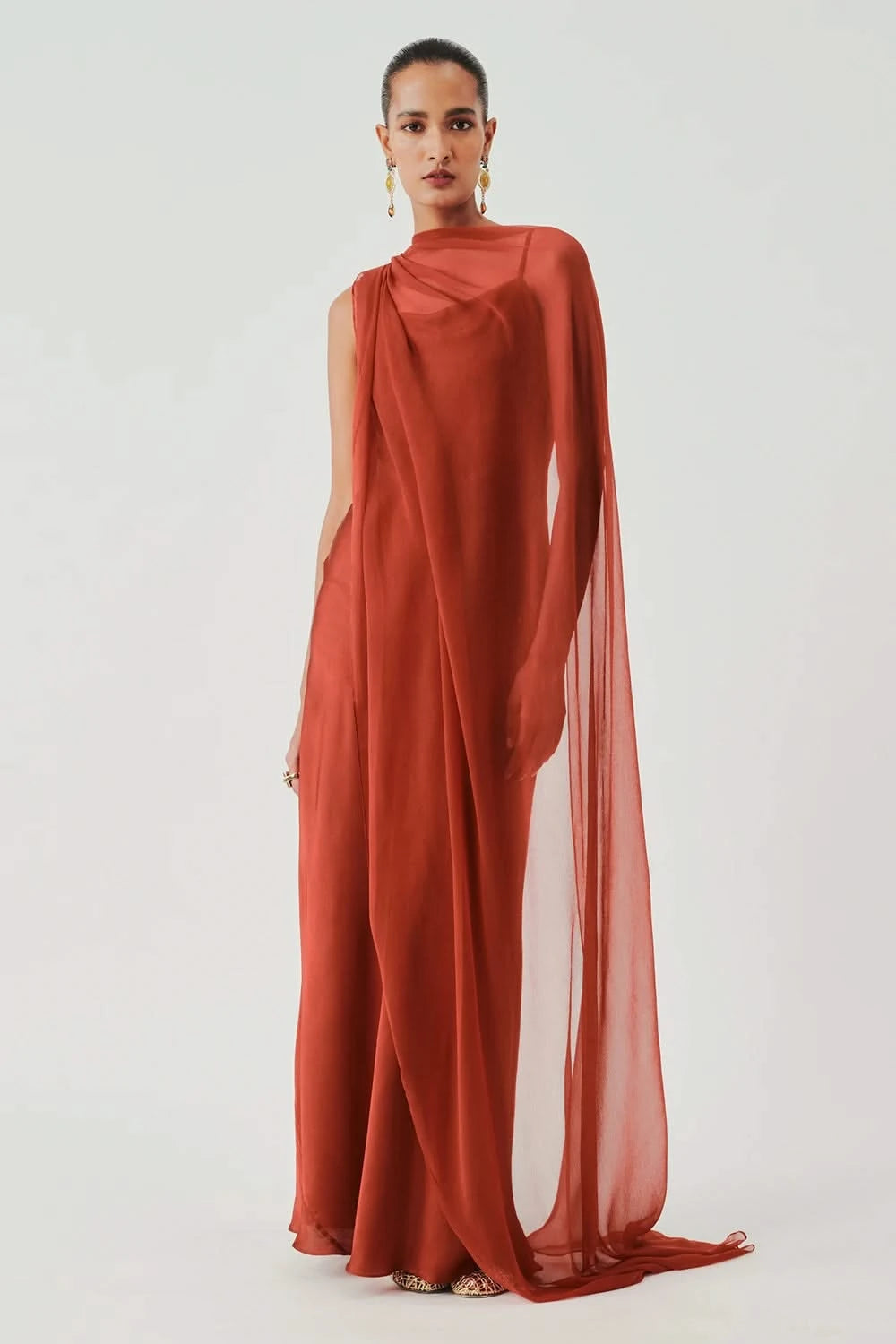
A satin shirt for women shifts the entire register of a look without any extra styling required. It catches light, adds depth, and reads differently the moment the setting moves indoors. The switch from cotton to satin at dinner isn't subtle — it's immediate. Night dressing isn't louder than day. It's sharper.
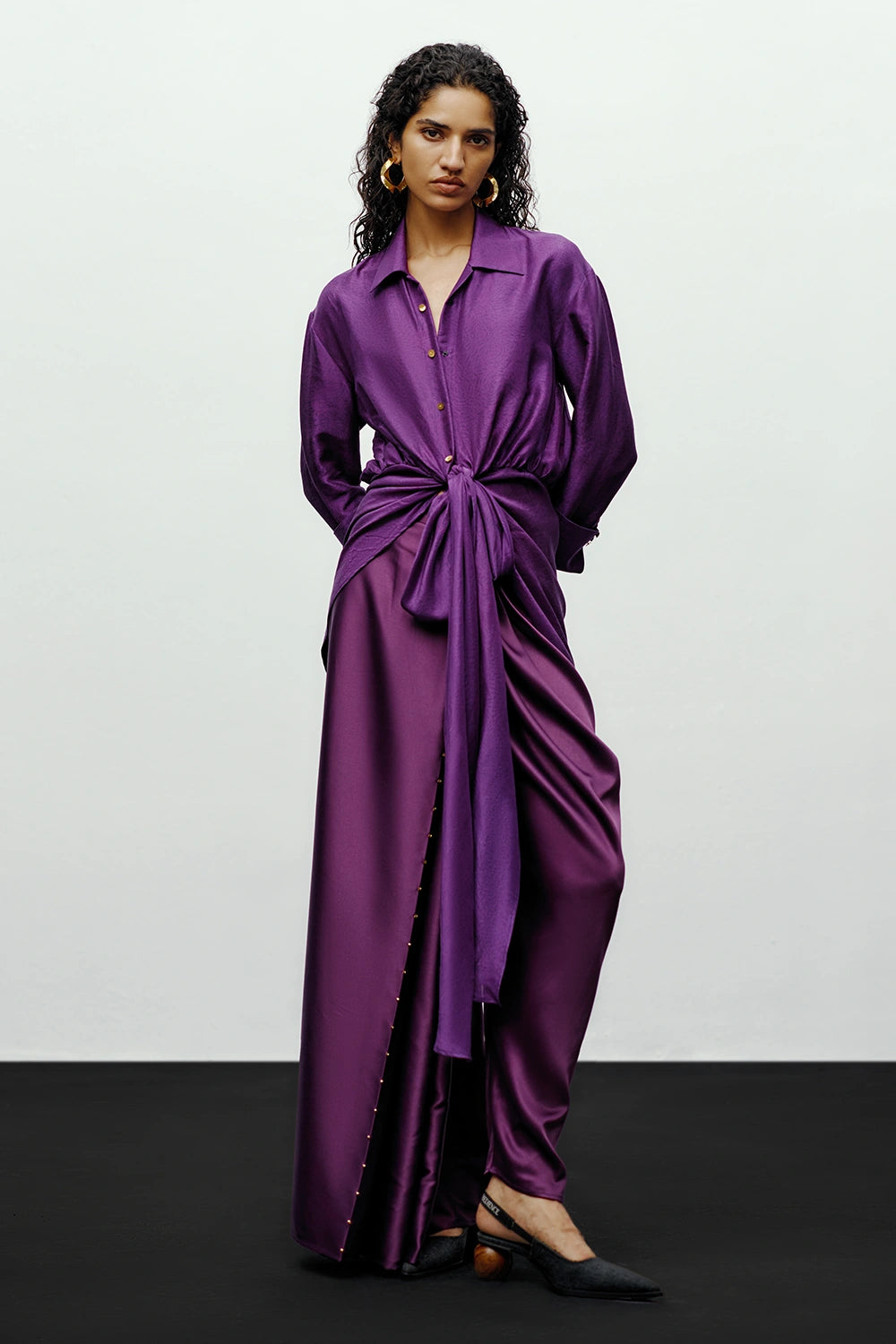

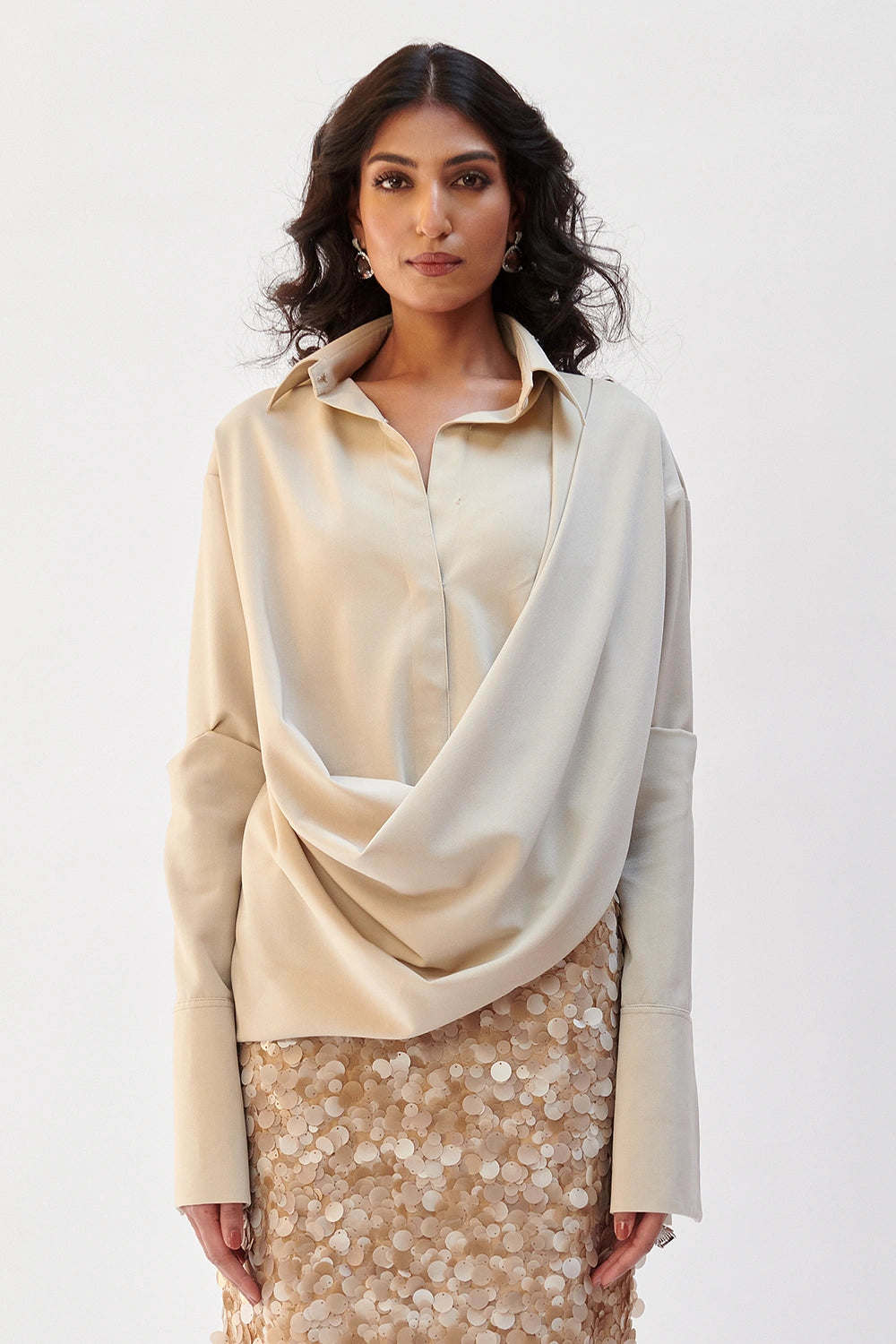
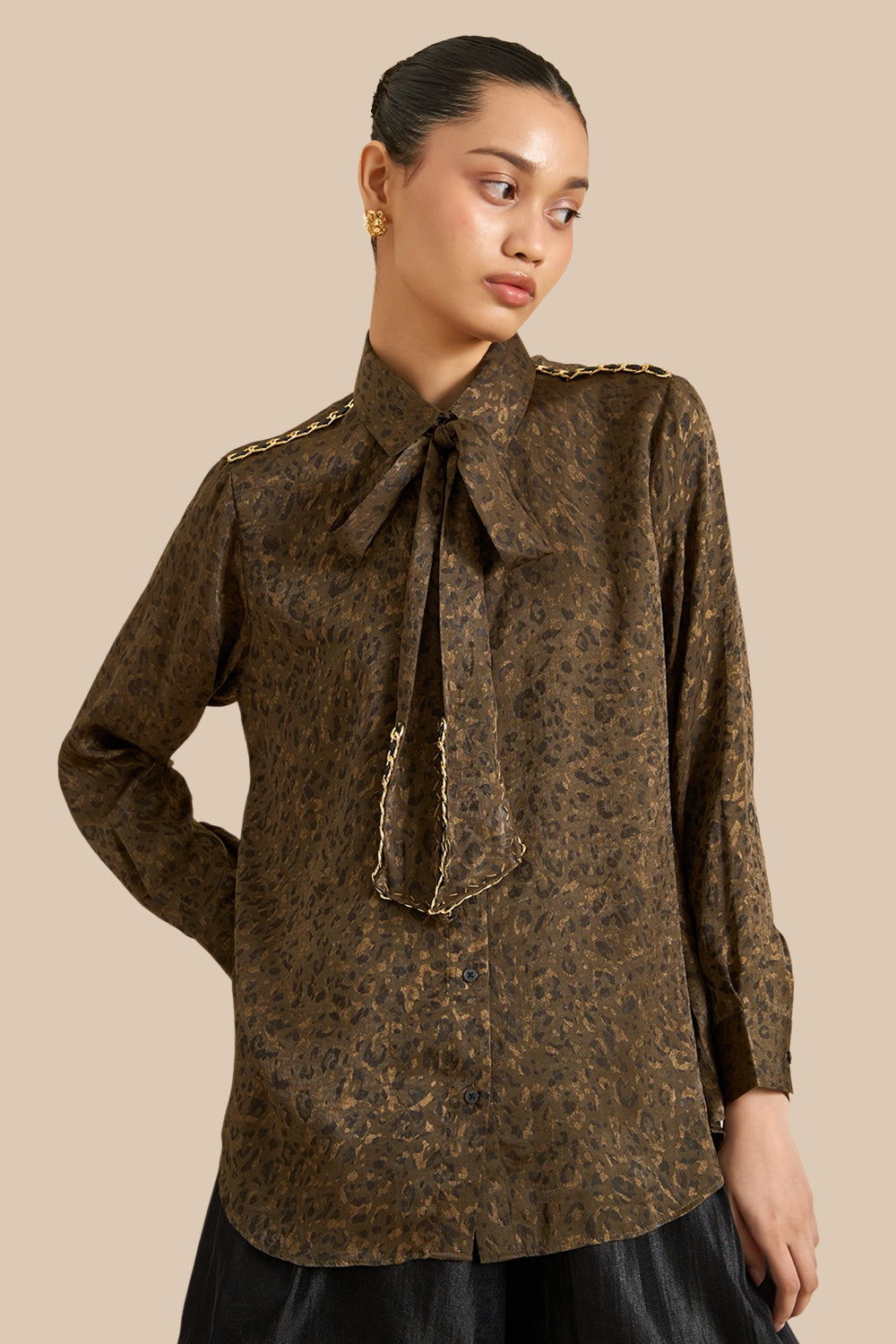
The most common misstep is carrying day fabrics into night rooms unchanged. Cotton that looked crisp in sunlight goes flat under indoor light, and the outfit loses its edge exactly where it needs to hold one.
Fabric and Colour Shifts You Can't Skip
Colour behaves differently depending on the hour. Lighter tones soften under sunlight and keep a day look open and easy.
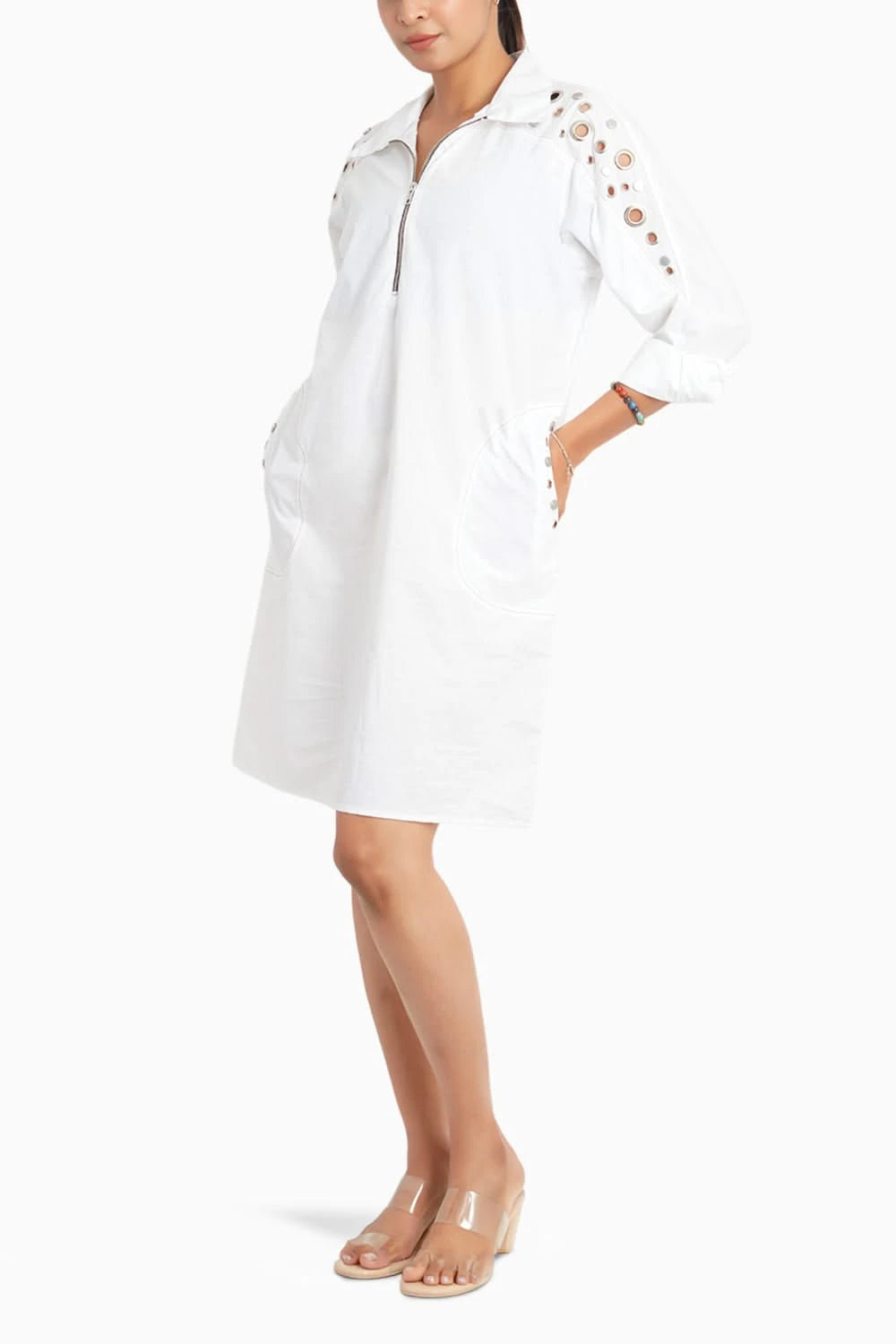
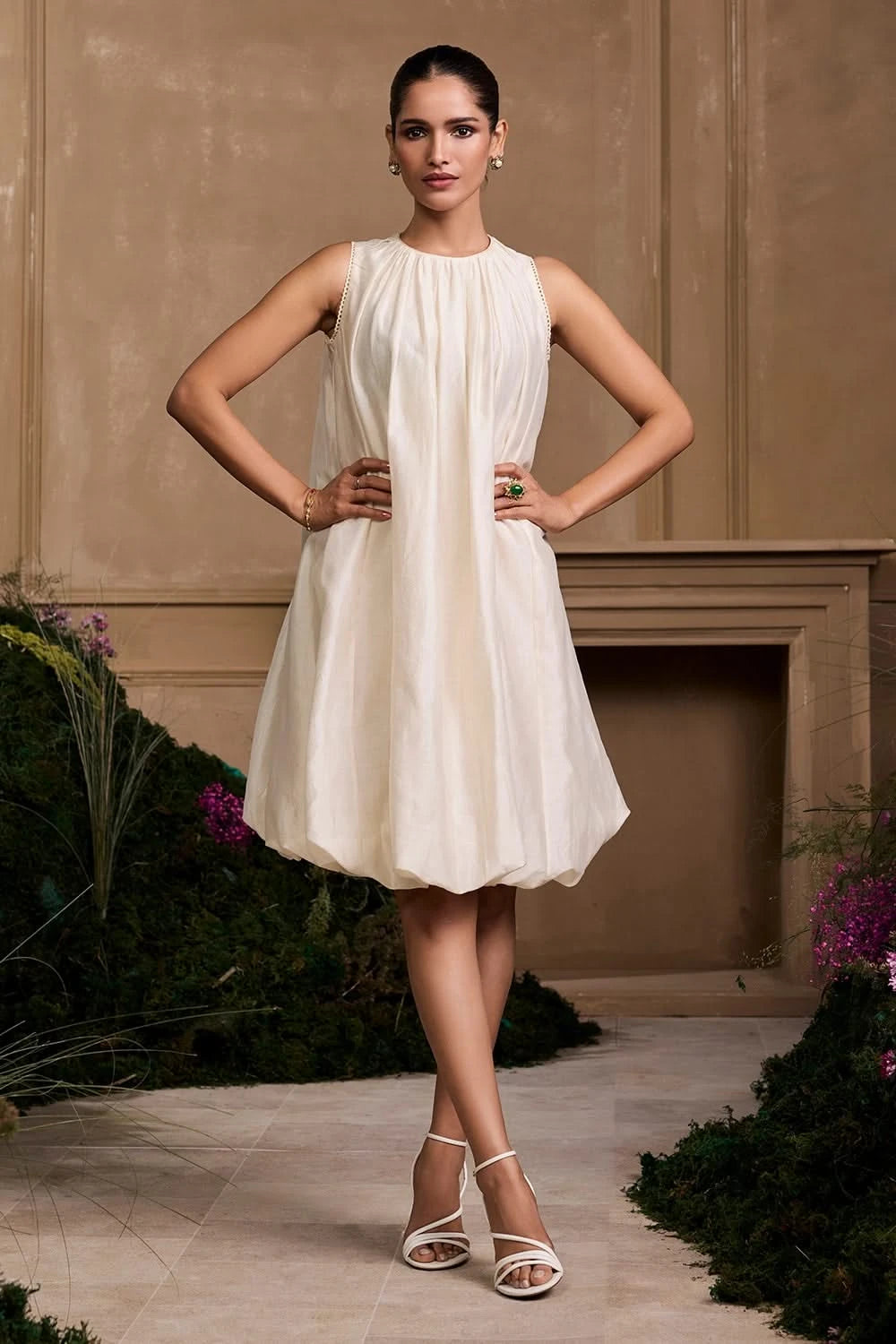
A white dress reads clean and effortless by day. Carried into a night setting without contrast — a layer, a piece of jewellery, a change in texture — it fades into the room instead of holding it. Night doesn't call for more. It calls for depth.
The Details That Decide the Outcome
Accessories are where most women either overdo it or skip it entirely. Day events need restraint — something functional, something that isn't fighting the outfit for attention.
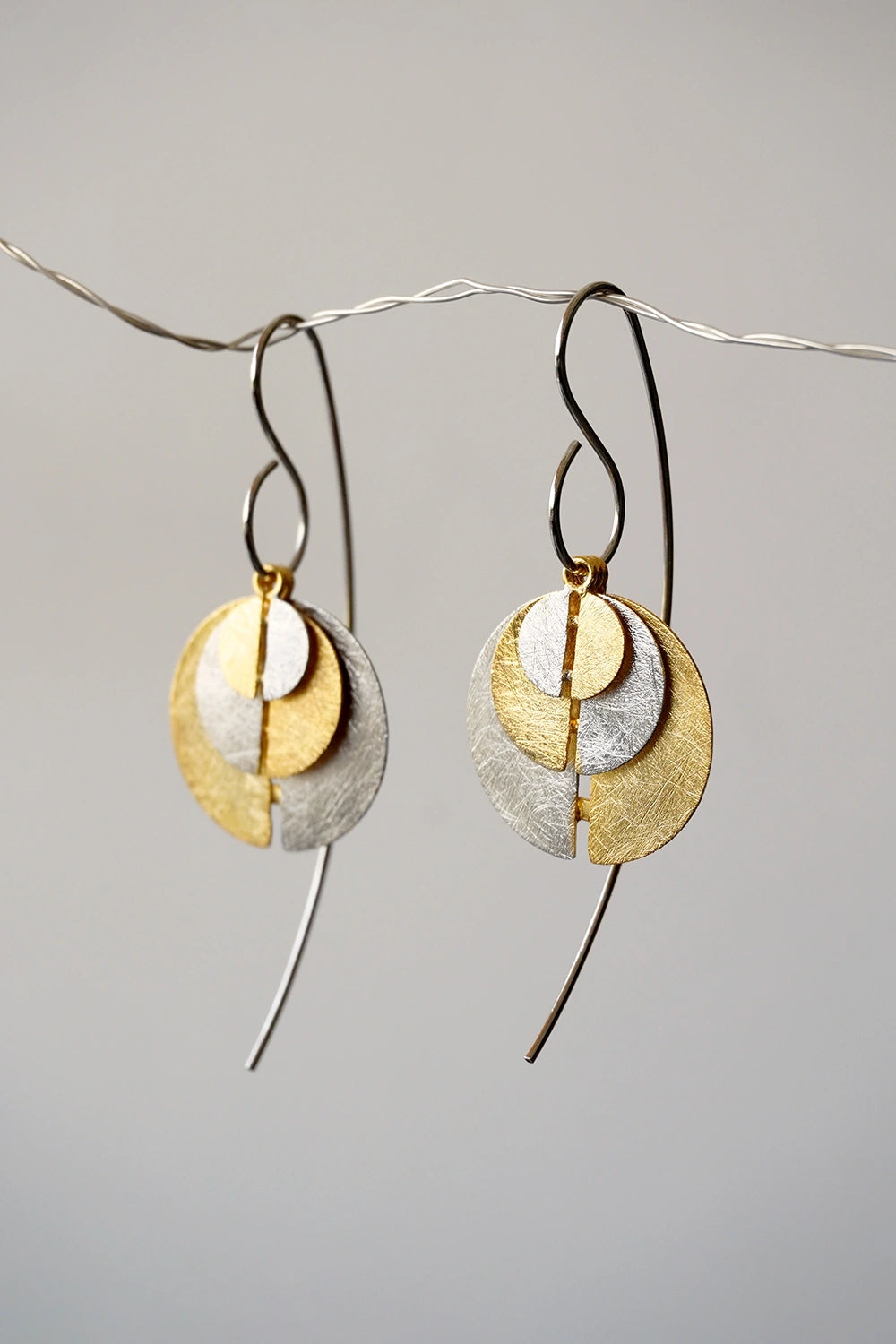
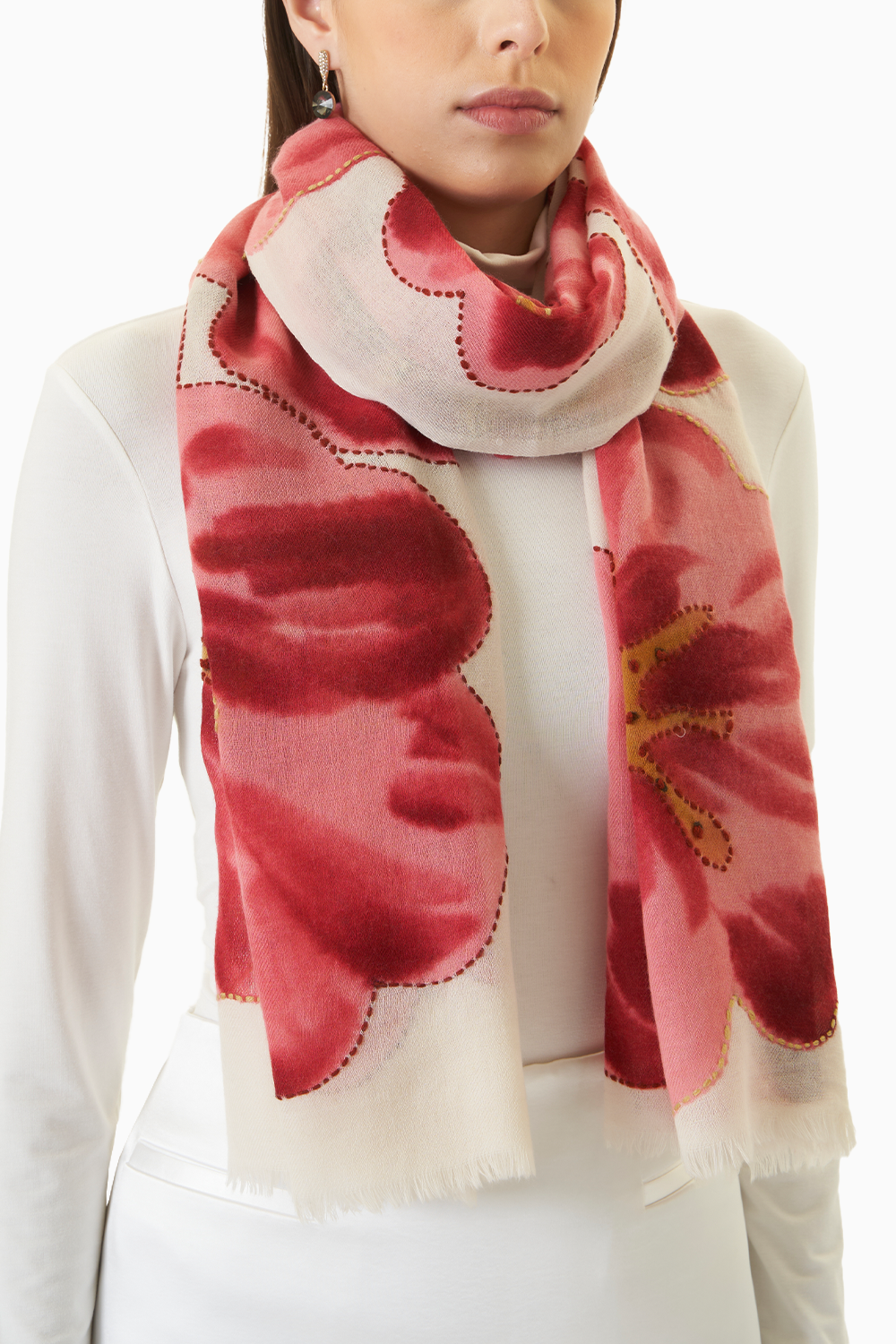
A scarf for women earns its place when it's doing a job: sun, movement, a light layer with no added weight. Thrown on as an afterthought, it does the opposite — it unbalances a look that was otherwise working.
The shifts that matter are rarely the big ones.

Where Day-to-Night Dressing Actually Goes Wrong
The most common mistake isn't a wrong choice. It's no adjustment at all — walking straight from a day event into dinner in the same outfit, hoping it translates. Sometimes it does. More often, the fabric still reads casual, the structure feels off, and the look loses whatever intention it started with.
The second mistake runs the other way: overcorrecting for evening. Heavier layers, stronger makeup, more jewellery, all added at once, and the balance tips before you've left the house.
The wardrobes that get this right tend to return to the same handful of pieces — not because the rest goes unworn, but because those pieces understand restraint. They adjust without needing to be forced into it. Linetribe's tailoring works this way; so does dresses from Aroka — built to carry a day look into evening with nothing more than a change of shoe and a different coat of lipstick.
There's no formula that splits day from night cleanly. It's a shift in weight, in fabric, in how a piece carries itself as hours pass. The Sverve's edit leans into exactly this — pieces built to adjust rather than pieces that force a transition. Whether any of it holds, though, still comes down to how it's worn, and whether it survives a day that runs longer than planned.